Build a Perpetual Motion Generator and Save Yourself Thousands
Published: December 5, 2025 | Updated: May 22, 2026
Welcome, DIY enthusiasts! A lot of folks have been asking how to make a perpetual motion machine and what are the essentials of a perpetual motion generator. If you've ever wondered how to build a perpetual motion generator, this guide will walk you through the process without giving away any copyrighted material.
What Is a Perpetual Motion Generator?
A perpetual motion generator is a device that can keep moving indefinitely without energy input. Imagine a magnetic perpetual motion generator spinning endlessly—like a coffee pot that never runs out! While building a true perpetual motion machine is possible, this guide will only cover the basics. You will still need to get hold of the actual perpetual generator plans if you want to get fully off the grid!
The Mystery of Perpetual Motion
Every perpetual motion plan that has ever been published has been suppressed and hidden from the public. This has caused both curiosity and skepticism. Thanks to the internet this information is becoming a lot harder to supress and more and more folks are learning how to make a perpetual motion generator with basic tools and a set of detailed plans.
How to Build Your First DIY Perpetual Generator: A Beginner's Step-by-Step Guide
The most important thing when starting your magnetic generator project is to get the right plans. Without clear, proven instructions based on Nikola Tesla's principles, you'll waste time and money. Once you have reliable blueprints (like these ones which thousands have used successfully), you're ready to begin.
Step 1: Get the Right Plans
Before buying any tools pr materials, buy the step-by-step plans. These plans include:
- The full materials list
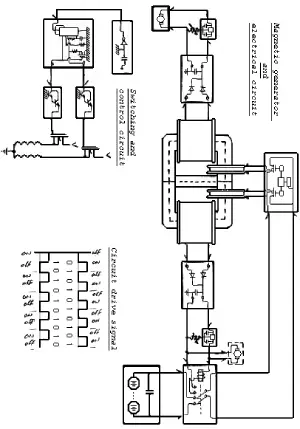
- Clear diagrams and schematics for various perpetual generators
- Safety guidelines
- Scaling options (small to 'whole-house' power)
This is the foundation of your success — skip it, and you're guessing in the dark. Also, one quick tip, start small before building something that can power your whole house!
Step 2: Prepare Your Work Area
Set up a clean, well-lit workspace with:
- Plenty of room to move around
- Good ventilation
- A sturdy workbench or table
- Easy access to power outlets
Safety first: Keep the area organized to avoid accidents.
Step 3: Gather Materials
Using your plans, collect all required parts. Common items include:
- Strong neodymium magnets
- Copper wire/coils
- Rotor and stator components
- Bearings and mounting hardware
- Wiring and connectors
Many parts can be sourced cheaply from hardware stores, online suppliers, or even recycled items.
Step 4: Get the Right Tools
Make sure you have:
- Screwdrivers and wrenches
- Wire cutters and strippers
- Multimeter (essential for testing)
- Drill and bits
- Soldering iron (if needed)
- Safety gear (gloves, eye protection)
Step 5: Start Small – Build Your First Simple Prototype
It's best to start small by building a simple prototype first — this lets you learn the core principles without overwhelming yourself or spending too much. Begin with a basic setup using high-quality ball bearings and lubricant to achieve smooth, low-friction rotation.
Carefully arrange the bearings and test the spin — getting a smooth, long-lasting rotation is the key foundation of perpetual energy generation. Once you see this working reliably, you'll gain the confidence and understanding needed to move on to adding magnets, coils, and eventually scaling up to a full generator.
Keep Experimenting!
Building a perpetual enegry generator is a journey of discovery. Start small, learn from each build, and gradually scale up. Even your first simple prototype will teach you valuable principles about free energy.
Many people begin with a small unit that cuts their electric bill by 30-50%, then build larger systems to power their entire home.
Stay curious, follow the plans carefully, and enjoy the process. With patience and the right guidance and these plans, you'll be generating your own electricity sooner than you think!