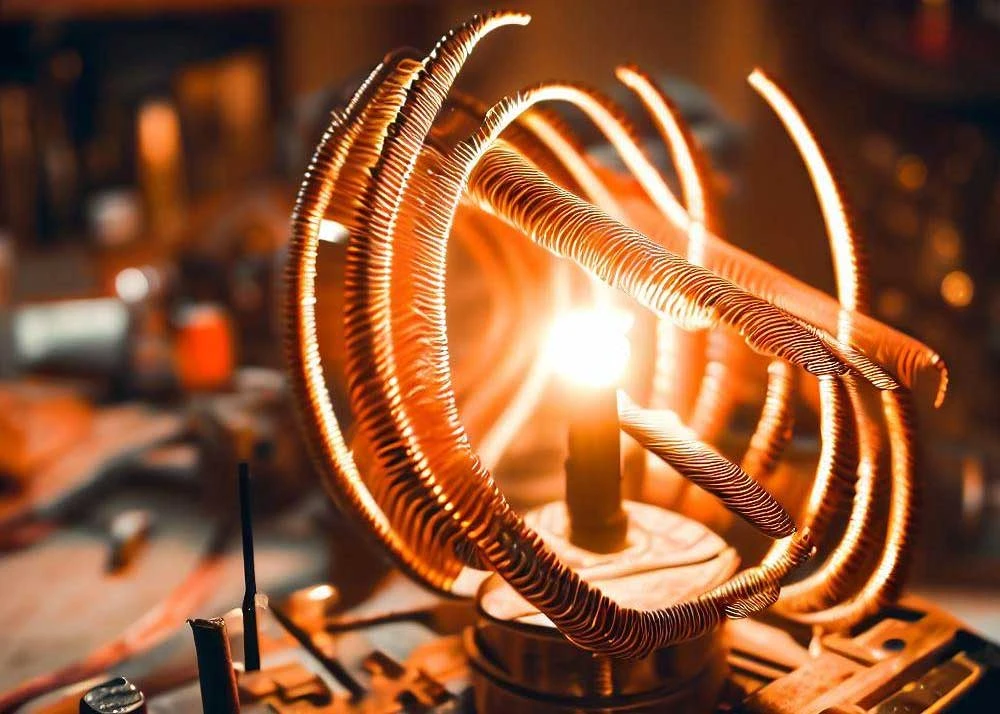
The Magnetic Dynamo Generator Explained
Published: December 5, 2025 | Updated: May 22, 2026
In the realm of science and technology, the magnetic dynamo generator stands as a marvel of engineering, harnessing the intricate dance of magnetic fields and electrical currents to generate vast amounts of energy. This ingenious device has transformed the way we produce and utilize electricity, playing a pivotal role in various industries and everyday life. This article delves deep into the workings, applications, and significance of the magnetic dynamo generator.
Understanding the Basics
At its core, the magnetic dynamo generator is a device that converts mechanical energy into electrical energy through the principles of electromagnetic induction. This process relies on the interaction between magnetic fields and conductive materials, often employing Faraday's law of electromagnetic induction.
Simply put, when a conductor, such as a wire, moves within a magnetic field or experiences a change in magnetic flux, it induces an electric current to flow within the conductor. This is the key to creating a perpetual motion machine that generates electricity.
Components of a Magnetic Dynamo Generator
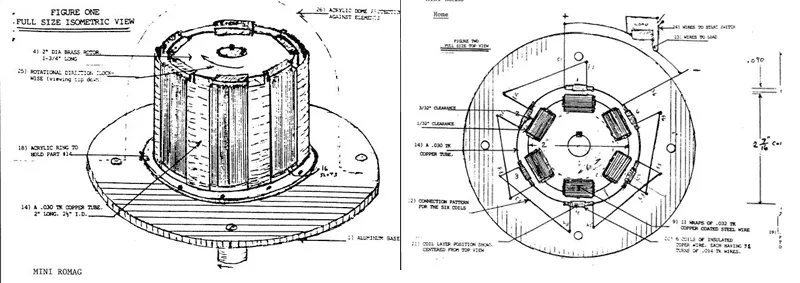
Rotor: The rotor is a central component of the generator that rotates within a magnetic field. It is typically composed of a shaft and a set of coils or magnets. The rotation of the rotor is what initiates the generation process.
Stator: The stator is a stationary component that surrounds the rotor. It contains coils of wire and produces a stable magnetic field. The interaction between the rotor's movement and the stator's magnetic field generates the required motion to induce electricity.
Coils and Conductors: The coils of wire present in the stator are made from highly conductive materials, such as copper or aluminium. These conductors play a vital role in facilitating the flow of electrical current induced by the rotating magnetic field.
Field Magnets: Permanent magnets or electromagnets are used to create the magnetic field within the generator. This field interacts with the rotor's movement to induce electrical currents.
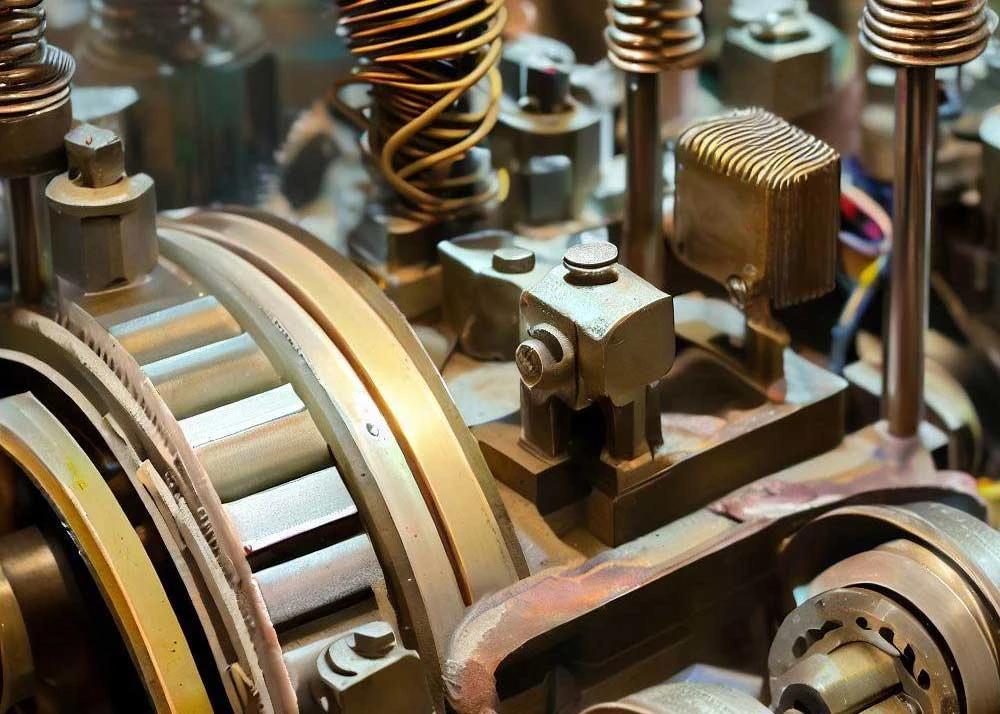
The Dynamo Process: Generation of Electricity
Initial Conditions: As the rotor begins to rotate due to an external mechanical force, it causes a change in the magnetic flux within the generator. This change in flux induces an electromotive force (EMF) in the coils of the stator.
Electromagnetic Induction: According to Faraday's law, the induced EMF generates an electric current within the stator's coils. The current flows through the conductive material and is channelled into an external circuit.
Conversion of Energy: The generated electrical current carries energy that can be harnessed for various applications. This energy can be used to power lights, appliances, machinery, and even entire cities.
Applications of Magnetic Dynamo Generators
Power Generation: Magnetic dynamo generators are commonly used in power plants to convert mechanical energy from sources like the Tesla generator, steam turbines or water turbines into electrical energy. This energy is then distributed to homes, businesses, and industries.
Renewable Energy: Wind turbines and hydroelectric generators utilize the principles of magnetic dynamo generators to harness energy from wind and water, respectively. These sources provide sustainable alternatives to fossil fuels.
Transportation: Electric vehicles employ magnetic dynamo generators to convert the rotational energy of their wheels into electrical energy, which is stored in batteries for propulsion and other vehicle functions.
Emergency Power: Magnetic dynamo generators are integrated into backup generators to provide electricity during power outages. They serve as crucial components in ensuring continuity for critical facilities such as hospitals and data centers.
Space Exploration: Magnetic dynamo generators are utilized in spacecraft to provide power for scientific instruments, communication systems, and other essential equipment during missions.
New Challenges and Innovations
While magnetic dynamo generators have revolutionized energy production, they are not without challenges. Friction, heat losses, and maintenance are factors that affect the efficiency and longevity of these generators. However, ongoing research and innovation have led to improvements in materials, design, and cooling mechanisms, aiming to enhance their performance and sustainability.
The Magnetic Dynamo Generator: A Testament to Human Ingenuity
The magnetic dynamo generator stands as a testament to human ingenuity, capturing the essence of converting one form of energy into another through intricate scientific principles. From illuminating our homes to propelling our vehicles, its applications are far-reaching and essential. As technology continues to advance, magnetic dynamo generators will likely evolve further, contributing to a cleaner, more efficient energy landscape and shaping the future of power generation.
Sources and further reading
For the original engineering, we cite a primary source by page number: Tesla's high-frequency alternators, 30,000 alternations a second works through what an 1894 book records about building a real alternator, including the wire gauges and the failures. For the motor side of the same system, the paper Tesla scribbled in pencil reproduces his May 1888 AIEE paper on the rotating field, with the 1888 and 1889 efficiency tests printed alongside it.
Sources and Further Reading
This site has two longer pieces of evidence for the claims on this page, both built from one 1894 printing and both cited to printed pages of it.
The Paper Tesla Scribbled in Pencil: How AC Won: where the rotating field that a generator like this depends on was demonstrated, and how the machines that used it were tested.
30,000 Alternations a Second: Tesla's Lost Generator: a generator whose poles and frequency had to be built to a number, and why building one of them was so hard that the 1894 book prints the difficulties.