Generate Electricity Using Magnets
Published: December 6, 2025 | Updated: May 22, 2026
Electricity has become an indispensable part of our lives, powering everything from our homes to industries and beyond. Traditional methods of electricity generation primarily rely on finite resources such as fossil fuels, which come with their own set of environmental concerns.
However, there’s a fascinating and innovative concept that holds the potential to revolutionize the way we generate electricity and that is to generate electricity using magnets. Once you know how to build a magnetic generator you will be one step ahead of everyone else.
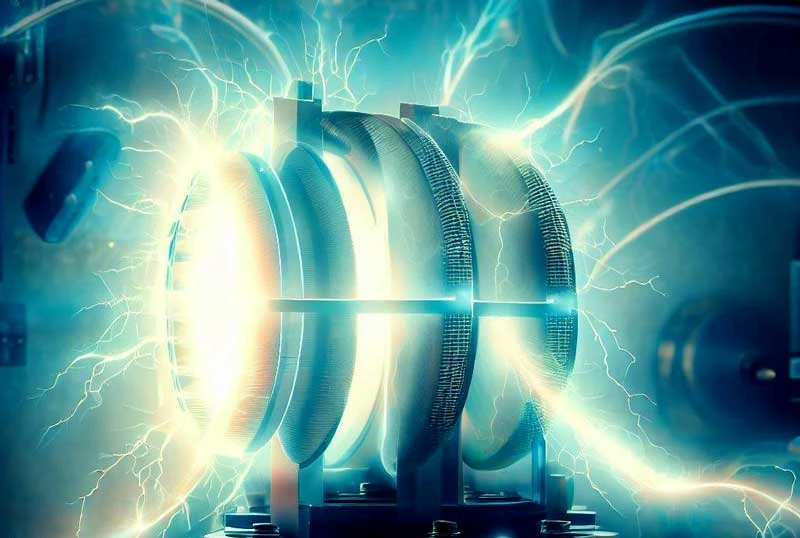
The Magnetic Field: A Force of Nature
At the heart of this concept lies the remarkable properties of magnets and the science behind them. This is exactly how you, yourself, can make your own electricity with magnets. Magnets possess a magnetic field, an invisible force that exerts influence over other materials. This force is the key to understanding how magnetic generators can produce electricity.
Principles of Magnetic Generators
Magnetic generators operate on a simple principle: the movement of a magnetic field can induce an electric current in a conductor. This occurrence is recognized as electromagnetic induction and was initially uncovered by Michael Faraday during the 19th century. Magnetic generators leverage this principle to convert kinetic energy into electrical energy which is how you can generate electricity using magnets.
Generate Electricity Using Magnets: How Magnetic Generators Work
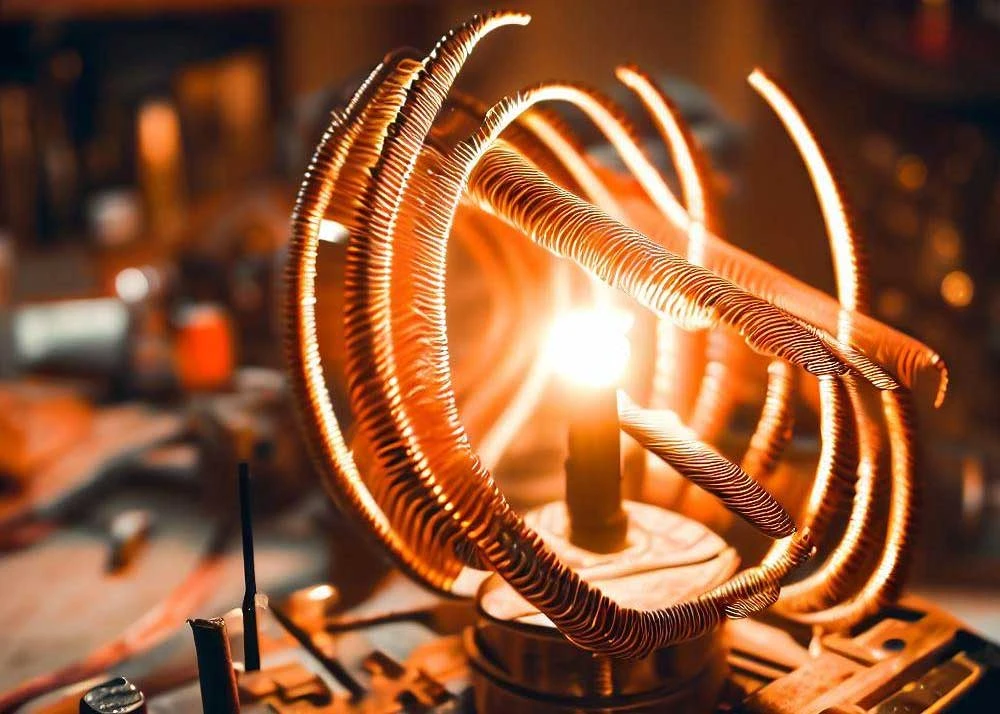
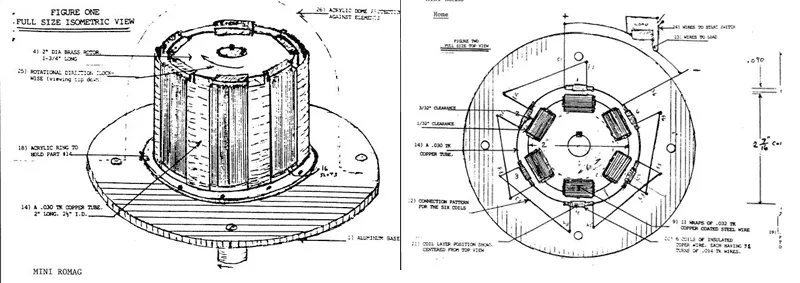
Magnetic generators consist of two main components: a rotor and a stator. The rotor contains a series of powerful magnets, while the stator houses the conductive coils. As the rotor rotates, the magnetic field of the magnets engages with the coils, leading to the generation of an electric current. This generated current can then be harnessed for various applications.
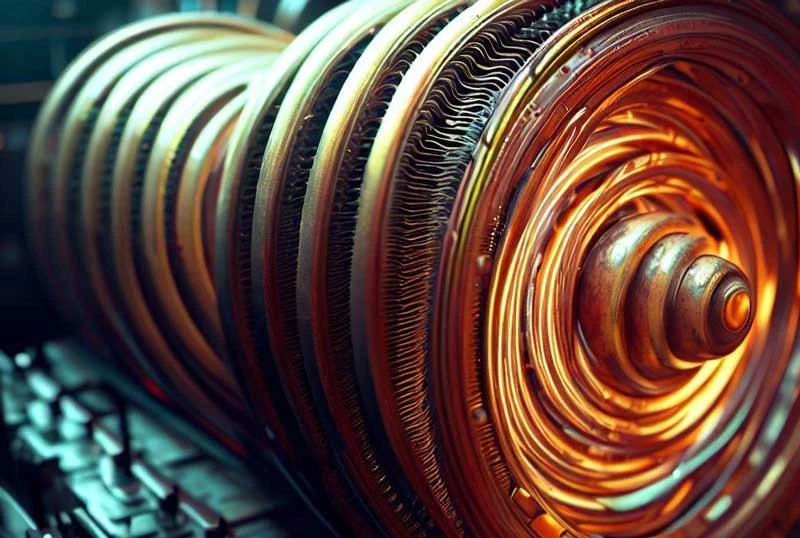
Learn How to Build Your Own Tesla Magnetic Generator right here
Advantages of Magnetic Generators
Renewable Energy Source: Unlike fossil fuels, magnets are not consumed during the electricity generation process. To generate electricity using magnets makes them a sustainable and renewable energy source.
Reduced Environmental Impact: Magnetic generators produce electricity without emitting greenhouse gases or pollutants. This can contribute to a significant reduction in carbon emissions and air pollution.
Low Maintenance: Magnetic generators boast a minimal number of moving parts in contrast to traditional generators, leading to diminished maintenance needs and cost savings.
Versatility: Magnetic generators exhibit adaptability in their scalability, making them suitable for a diverse array of applications, spanning from individual residential power sources to providing electricity for entire communities.
Challenges and Considerations
While the concept of generating electricity using magnets is promising, there are challenges to address:
Initial Investment: Developing and implementing efficient magnetic generators requires initial investment in research, development, and technology.
Efficiency: Achieving high-efficiency levels is crucial for magnetic generators to compete with traditional methods of electricity generation.
Energy Storage: Similar to various other renewable energy sources, the implementation of energy storage solutions becomes imperative to maintain a consistent power supply during instances when magnetic generators are not actively producing electricity. This situation commonly arises during periods of diminished magnetic activity.
Real-World Applications
Magnetic generators are being explored for a range of applications:
Off-Grid Power Generation: In remote areas with limited access to traditional power sources, magnetic generators can provide a reliable source of electricity.
Emergency Power: Magnetic generators can serve as backup power sources during emergencies or blackouts, ensuring critical services remain operational.
Renewable Energy Integration: Perpetual motion machines can complement existing renewable energy sources like solar and wind, helping to create a more stable and consistent power supply.
Transportation: Magnetic generators hold the potential to contribute significantly to the propulsion of electric vehicles, thereby diminishing the dependence on external charging infrastructure.
Future Prospects
As research and development in magnetic generator technology continue to advance, we can anticipate several exciting developments:
Increased Efficiency: Researchers are actively working on improving the efficiency of magnetic generators, making them more competitive with existing methods of electricity generation.
Miniaturization: The development of smaller and more compact magnetic generators could lead to innovative applications in portable electronics and wearable technology.
Grid Integration: Magnetic generators could become an integral part of future smart grids, contributing to a more decentralized and resilient energy system. Soon everyone will generate electricity using magnets.
Sources and Further Reading
This site has two longer pieces of evidence for the claims on this page, both built from one 1894 printing and both cited to printed pages of it.
What Tesla Actually Wrote About Free Energy: does Tesla's own book ever describe generating electricity with magnets? We searched the text of our copy and printed what came back.
9 Tesla Inventions From 1894 That Never Caught On: the one machine in that book whose name claims magnetism makes electricity runs on heat, with a spirit lamp under it.