Tesla 1894 Plates: 72 Engravings, Cited Page by Page
The 1894 File · a linkable asset. Every plate below is cited to the page the book prints it on.
Published: October 27, 2026 | Updated: October 27, 2026
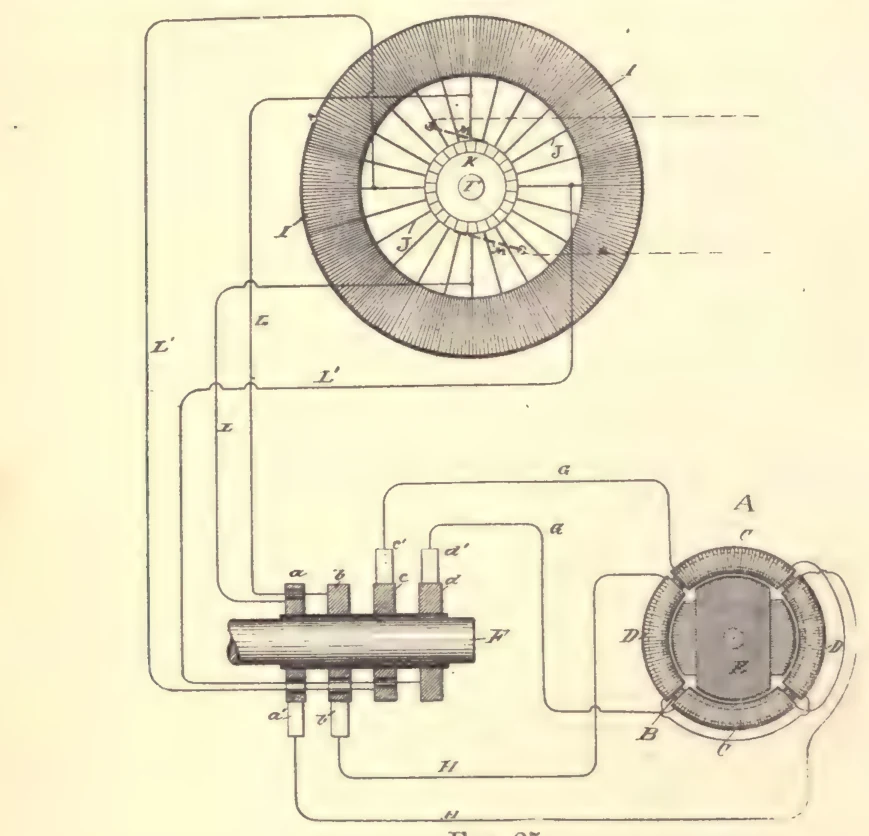
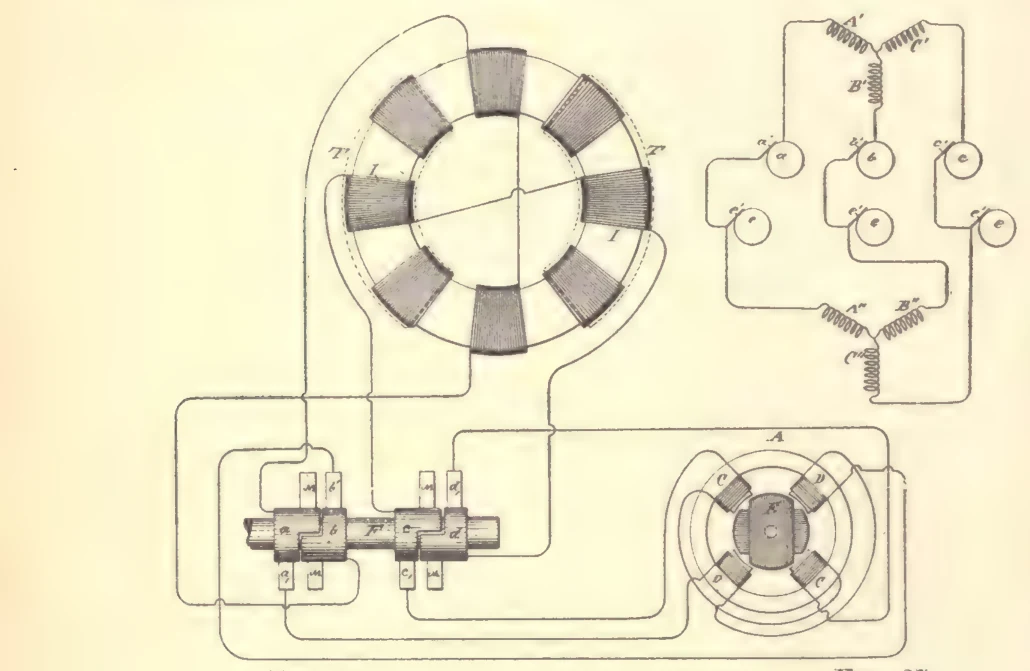
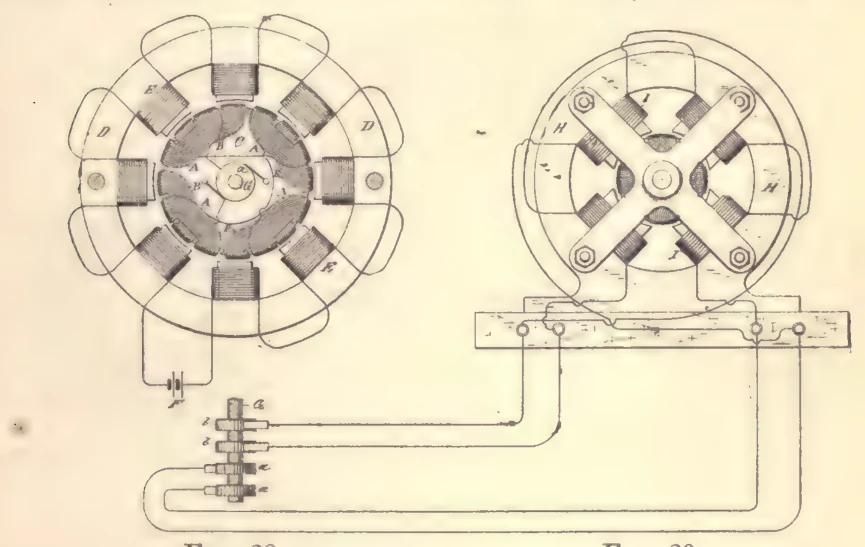
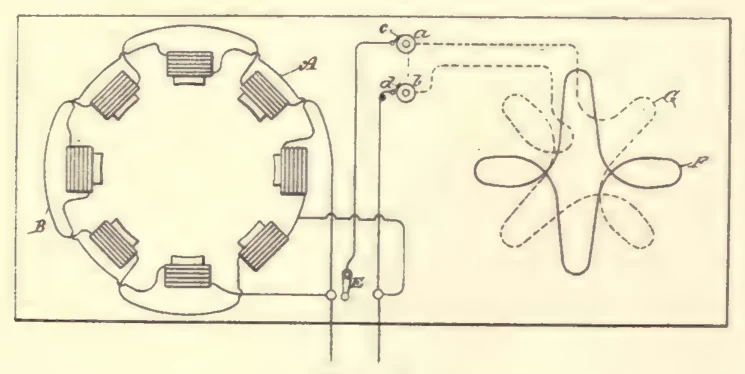
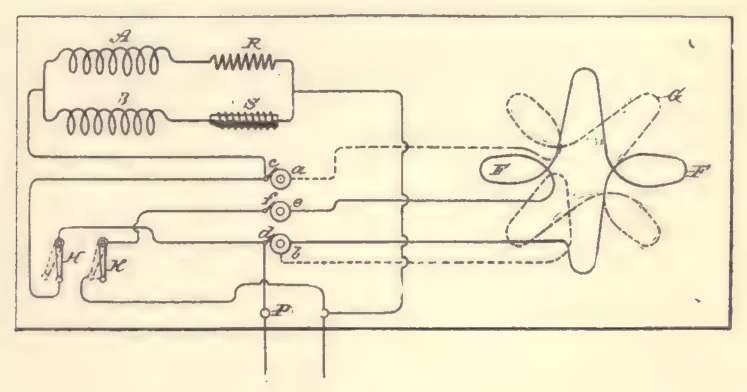
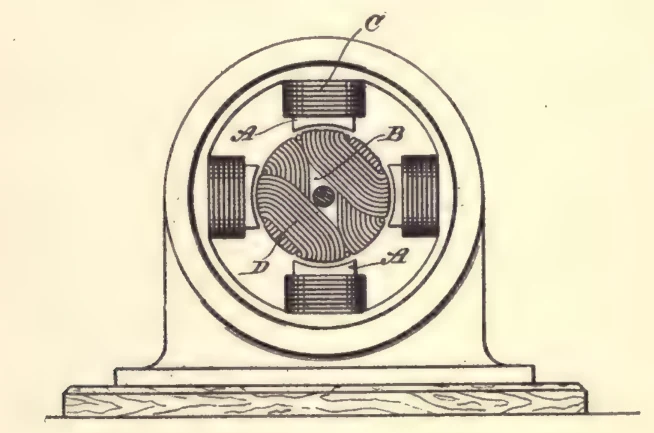
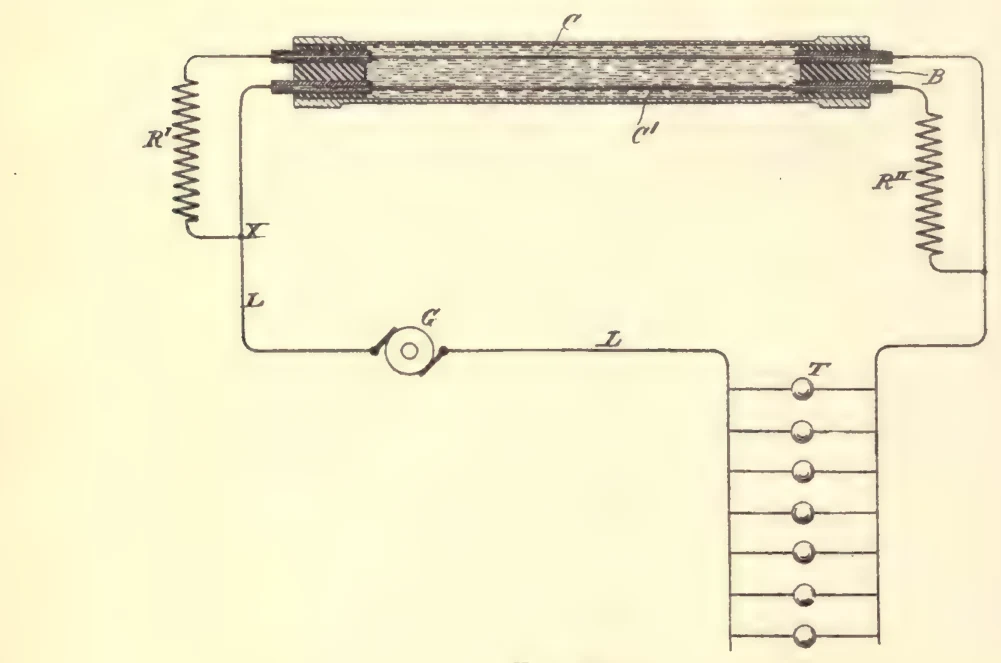
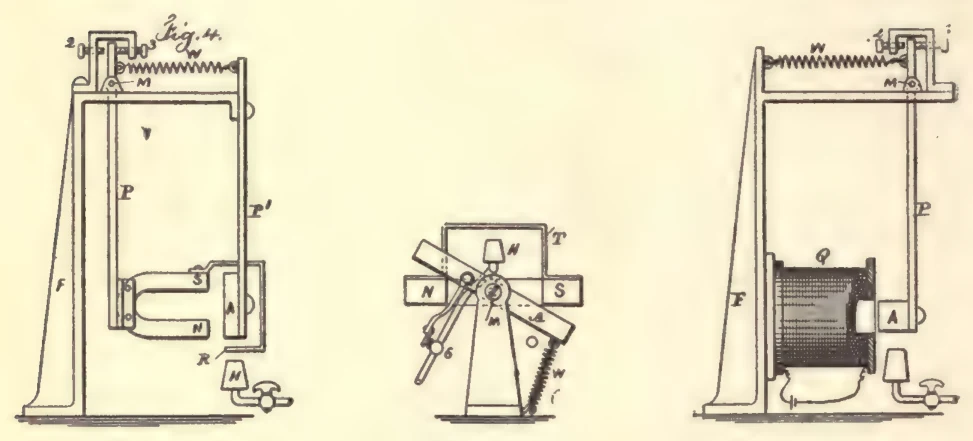
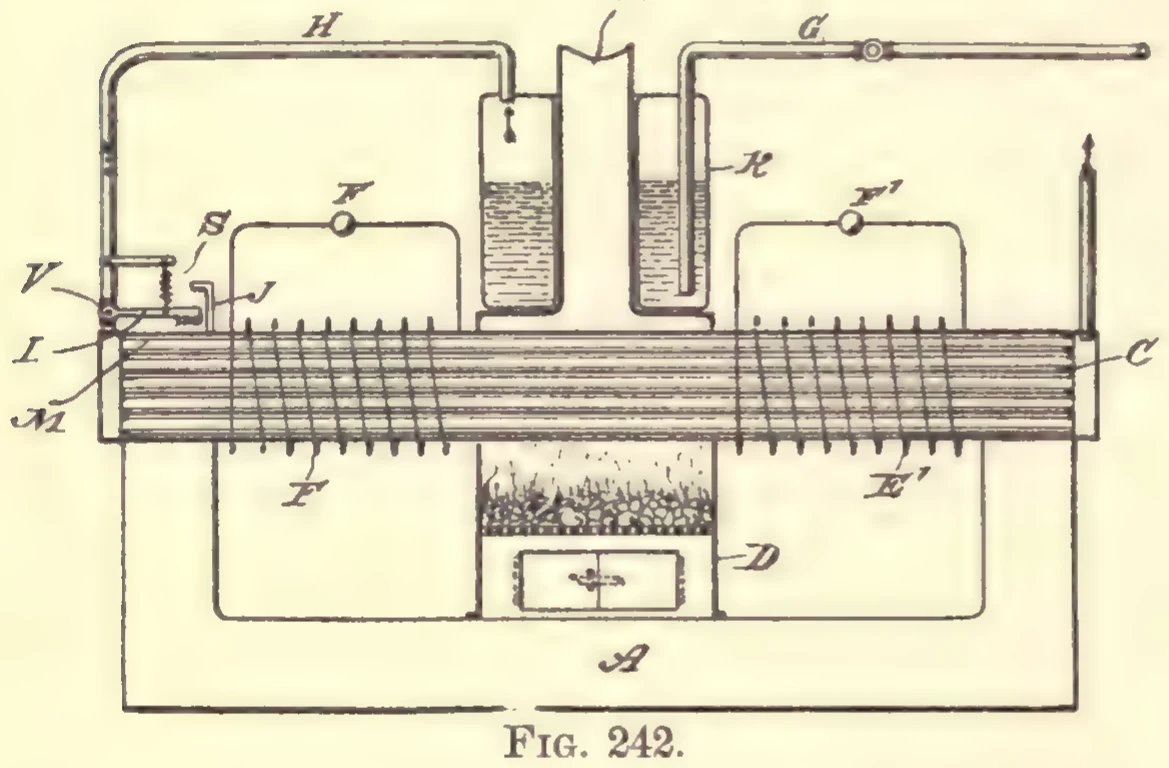
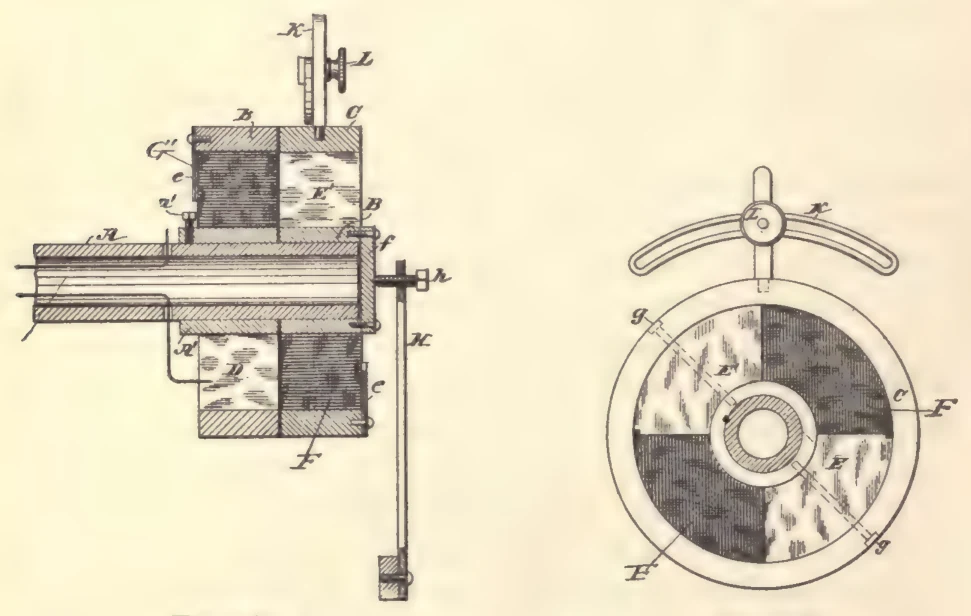
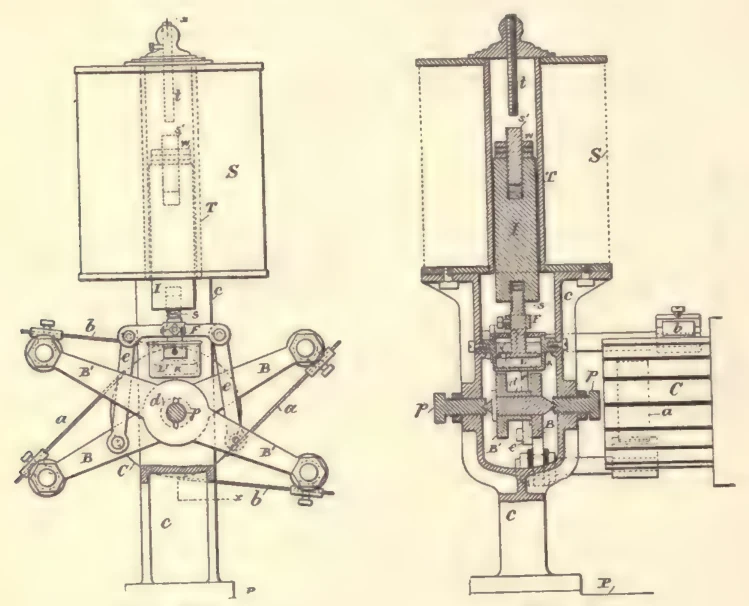
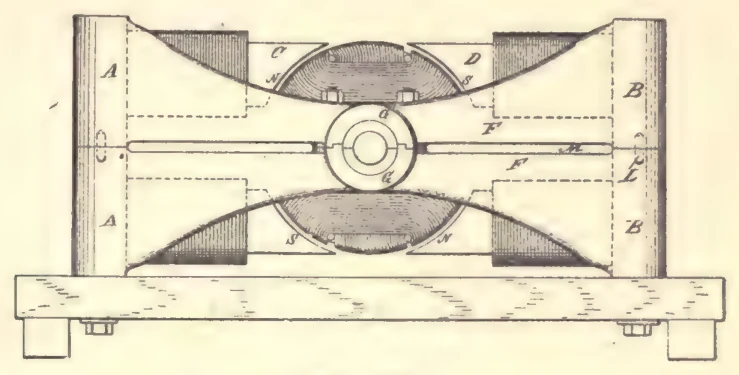
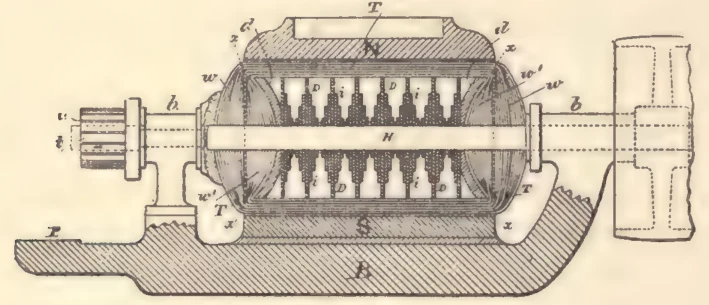
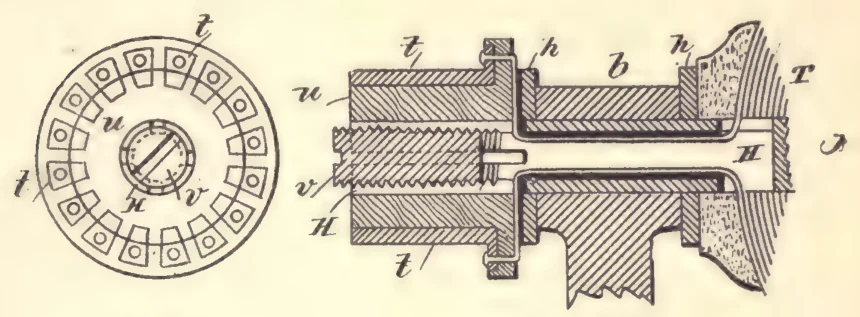
This page carries 72 engravings and photographs from the 1894 first edition of The Inventions, Researches and Writings of Nikola Tesla, edited by Thomas Commerford Martin. Every plate on it is cited three ways: the figure number the book sets under the plate, the page number the book prints in its own corner, and the chapter the book puts it in. None of them is captioned from a file name.
Public domain (1894 imprint). Reuse freely; a credit line is appreciated.
The grid is grouped by the four parts of the volume and, inside each part, by chapter and printed page, so it reads as the book rather than as a pile of pictures. Each plate links to the full file, and the whole set comes as one ZIP.
Citing a Plate From This Page
The credit line we would like, and the one the ZIP's README prints:
Plate, Martin (ed.), The Inventions, Researches and Writings of Nikola Tesla (1894), p. 378.
The number in that line is the number the book prints, not the number of the page of the scan we worked from. Our scan runs eighteen leaves ahead of the printed folios, so the printed page is the scan file number minus 18. That rule is worth stating because it is the most common way a citation like this goes wrong: a file called p396 in a folder of page scans is the plate the book prints on page 378, and a citation that says 396 sends a reader to a page of the volume that carries different writing altogether.
Every caption on this page states the printed page. The file names behind the files are a different matter, and they are kept in the selection record rather than in front of the reader, because a file name records where a crop was cut from, which is not the same fact as what a plate is.
The Book Names Its Own Plates
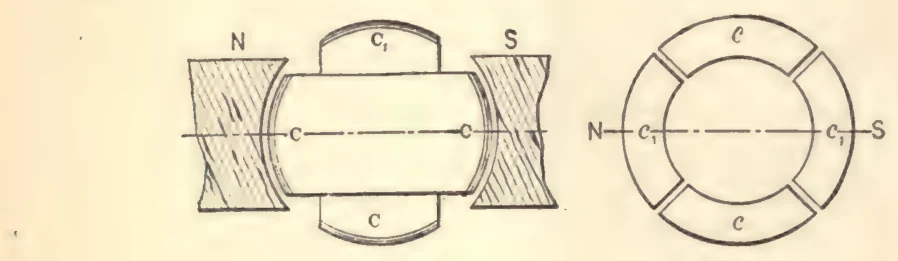
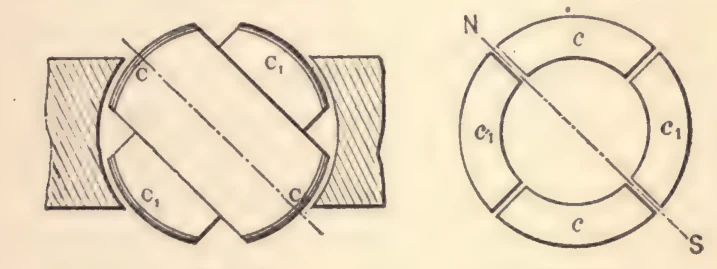
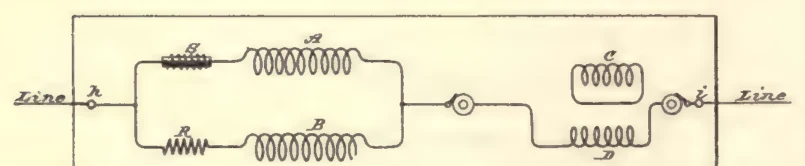
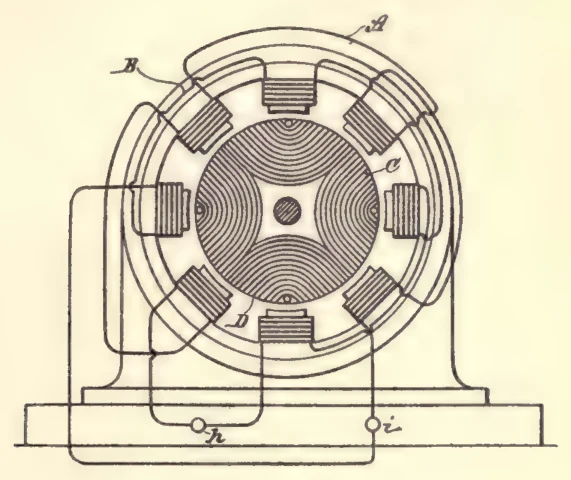
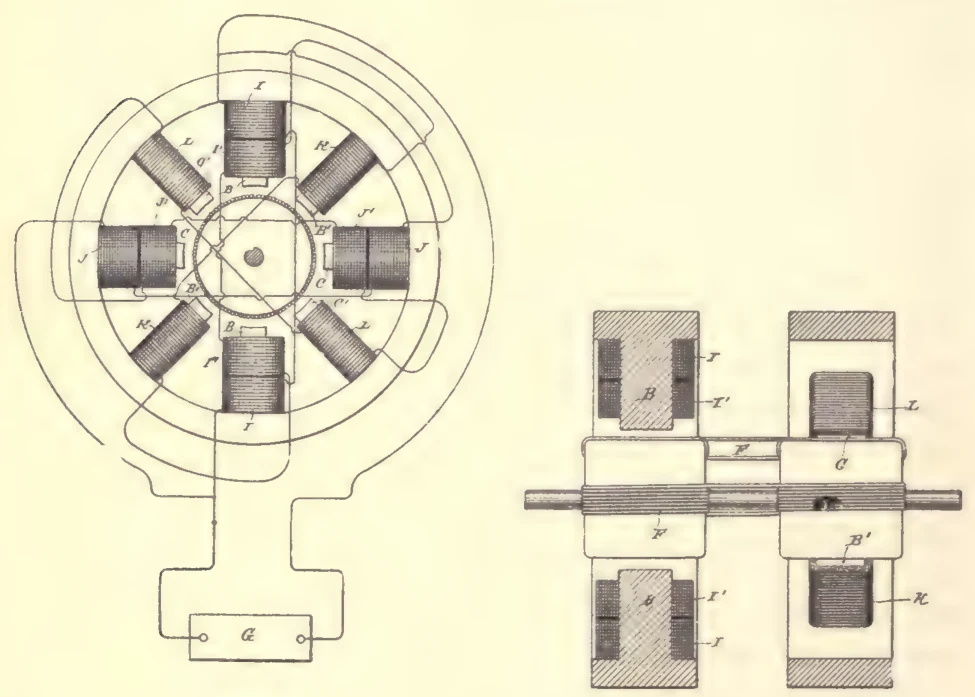
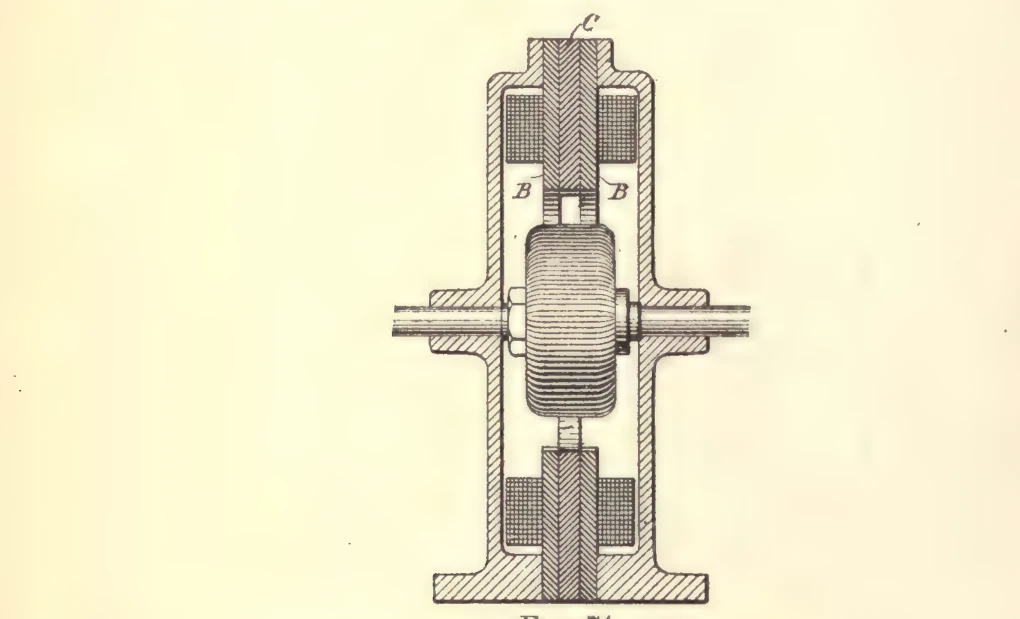
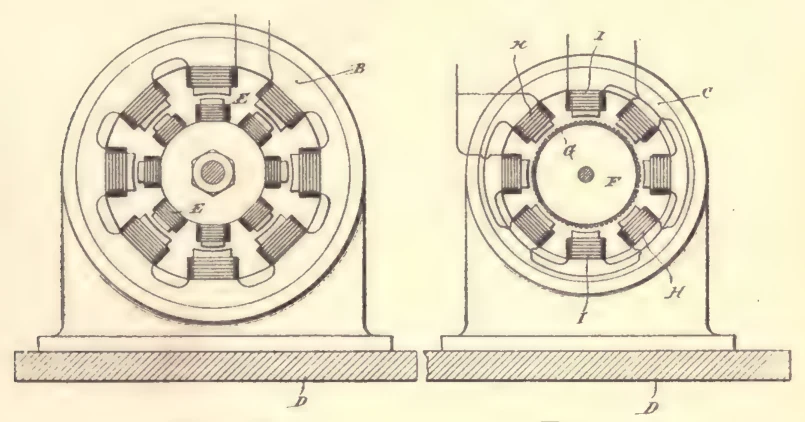
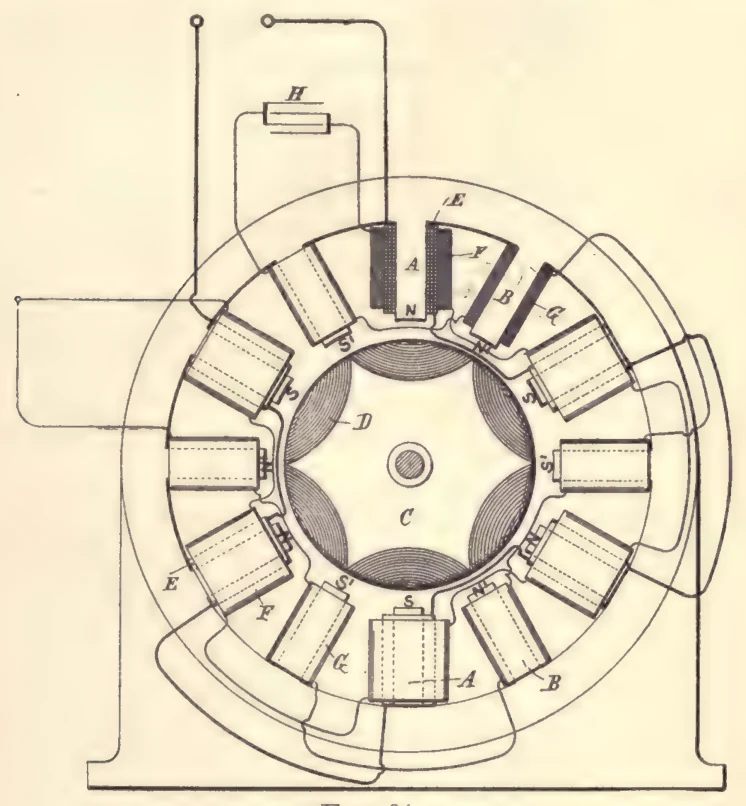
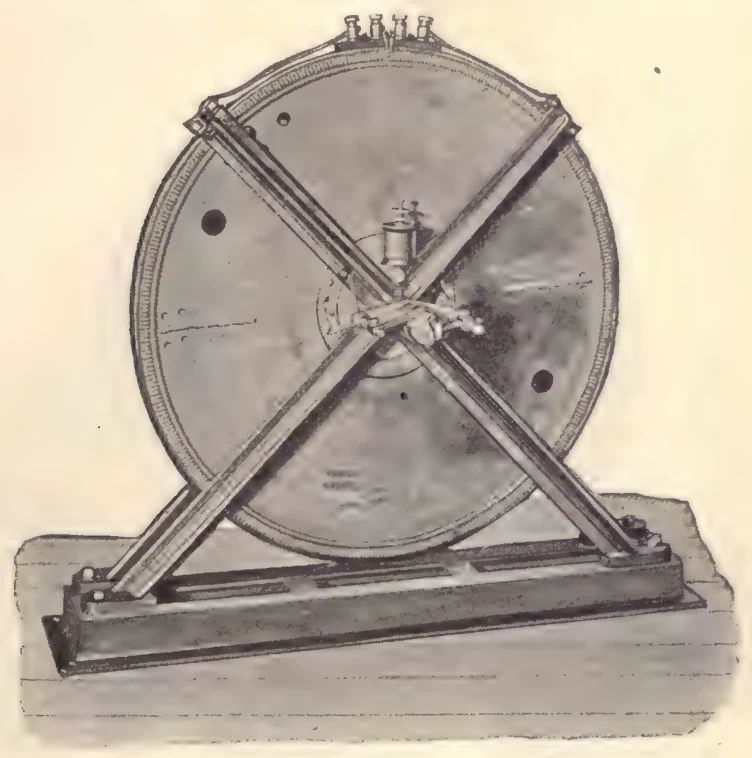
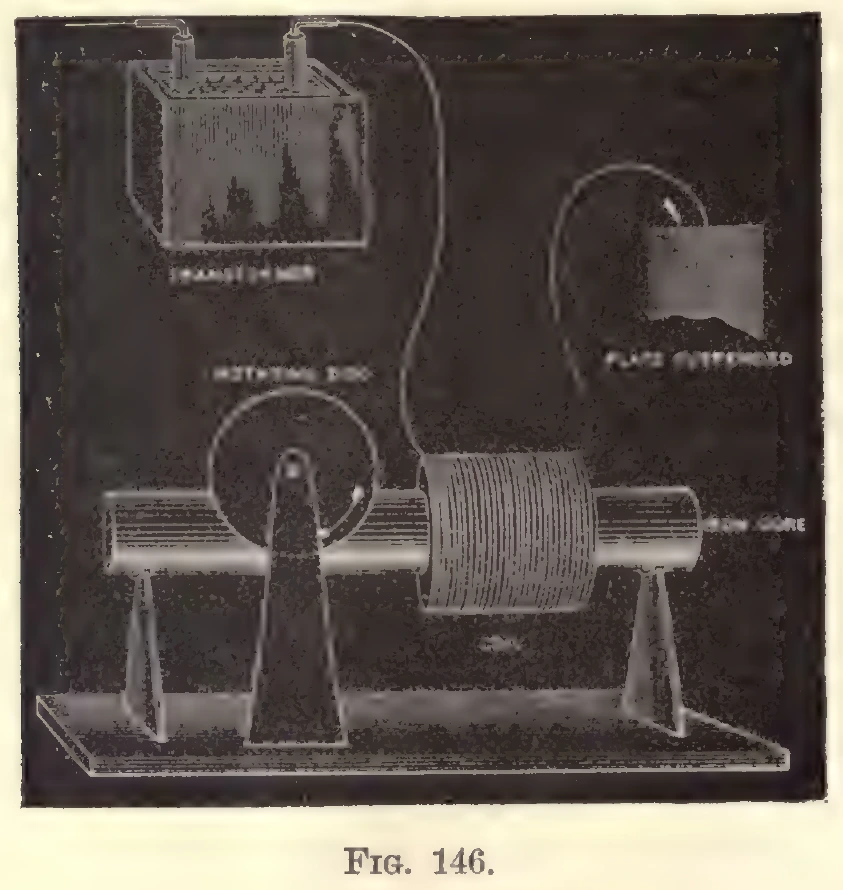
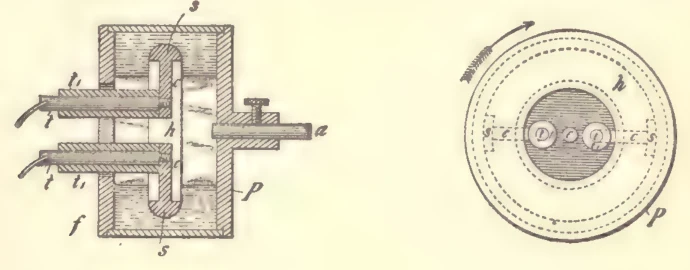
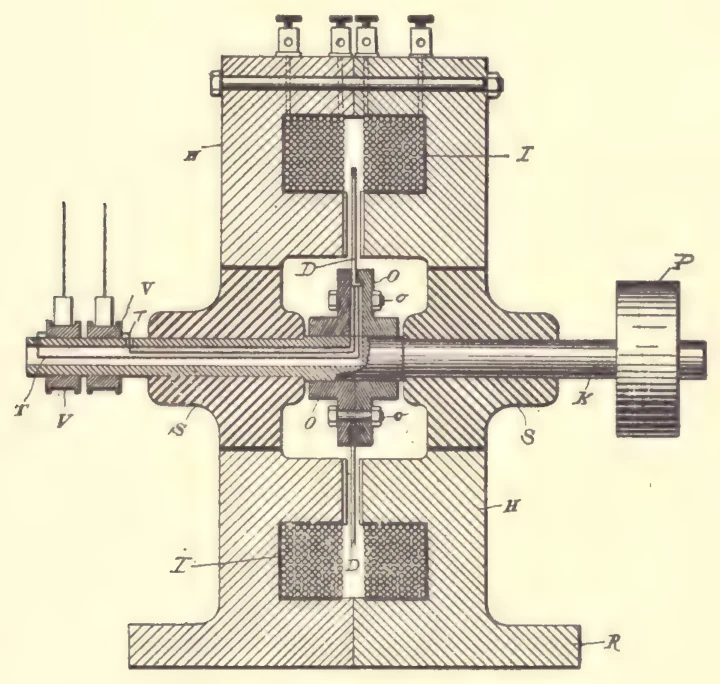
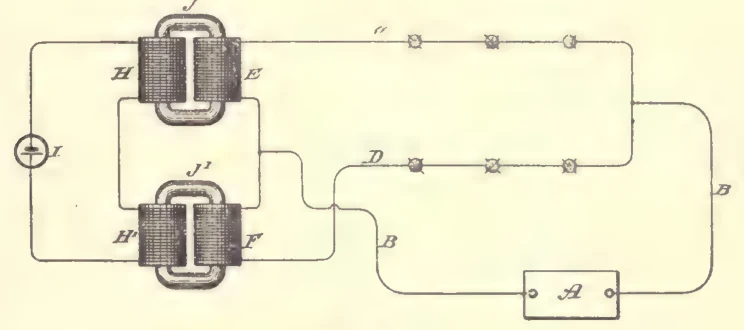
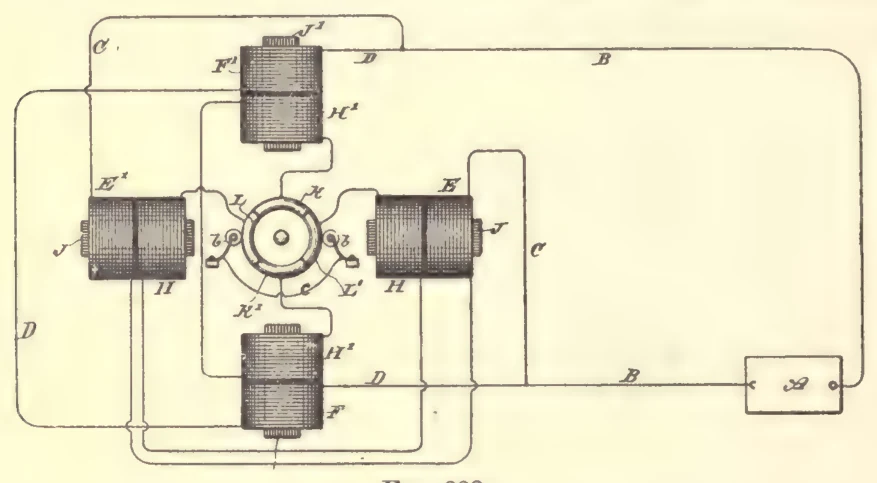
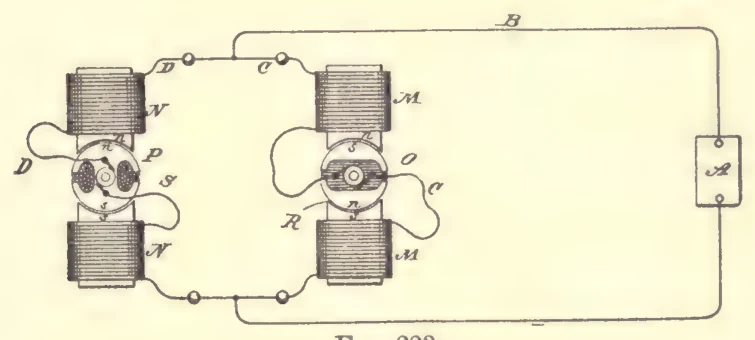
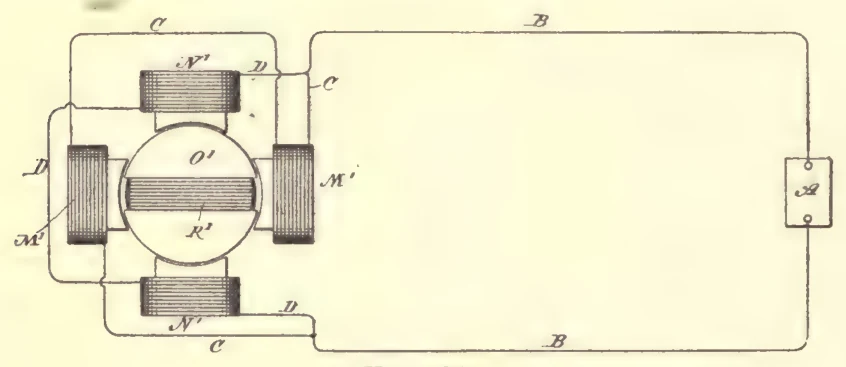
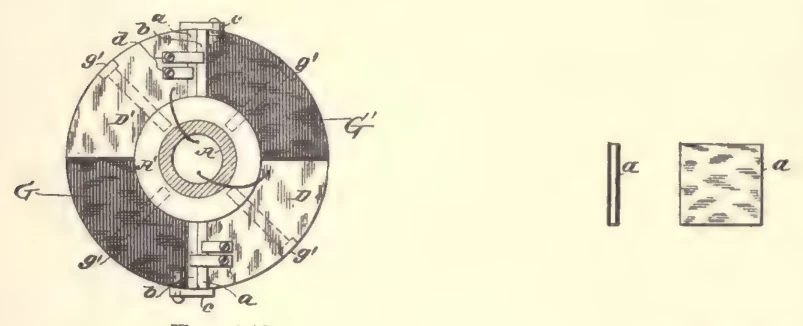
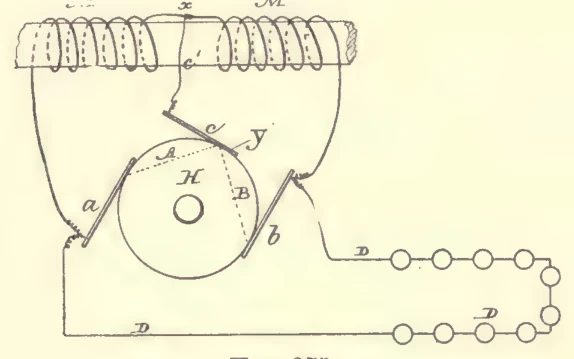
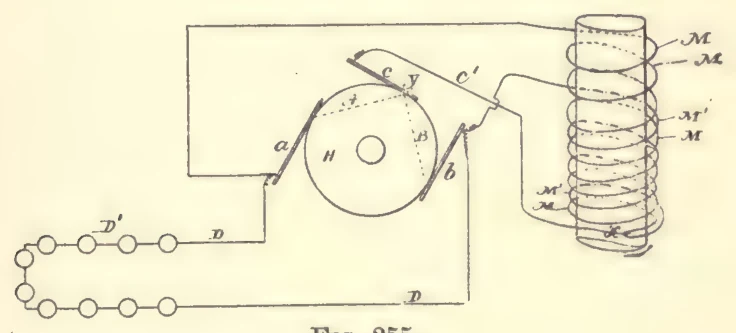
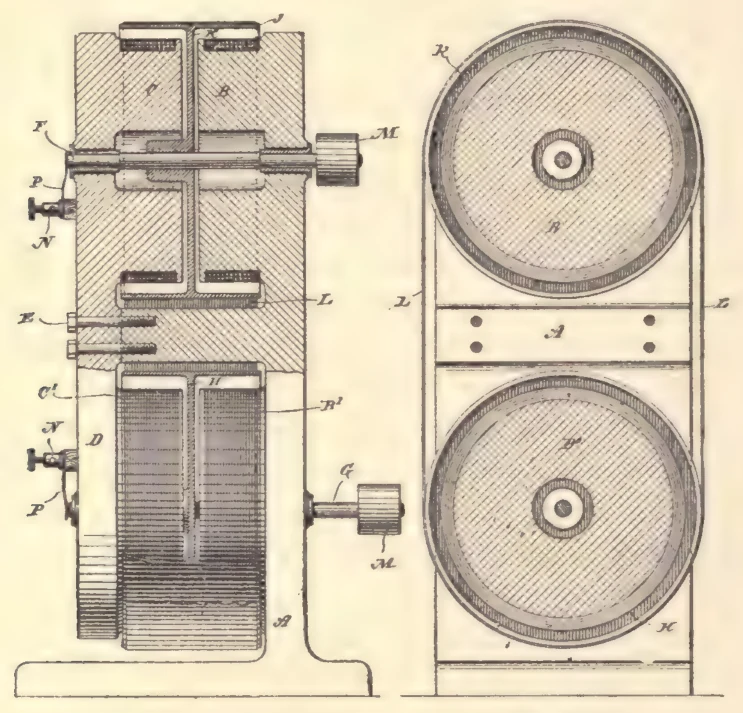
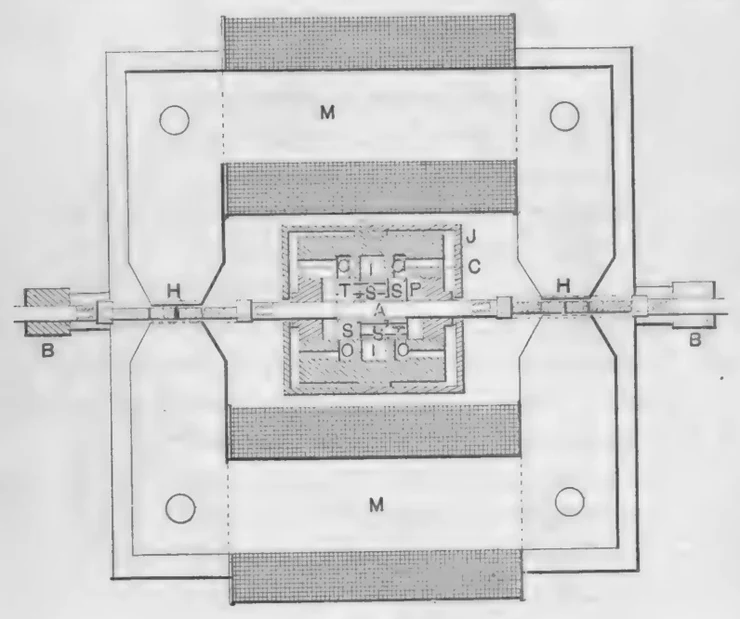
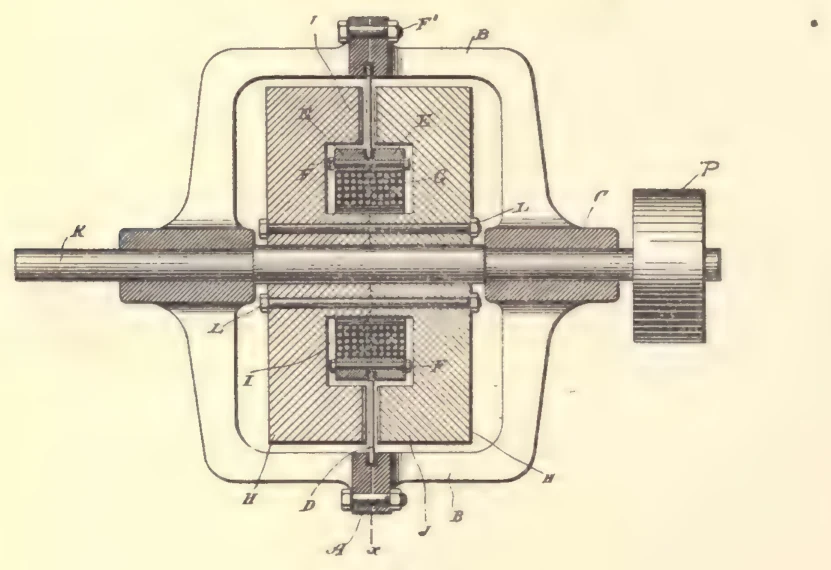
The volume points at its own engravings in its own prose, which is where the figure numbers on this page come from. On printed p. 378, in the chapter on high frequency and high potential currents, the text says: "Figs. 204 and 205 illustrate a machine in which the armature conductor and field coils are stationary, while the field magnet core revolves" (1894, p. 378). The next sentence separates the next plate from it: "Fig. 206 shows a machine embodying the same plan of construction, but having a stationary field magnet and rotary armature" (1894, p. 378).
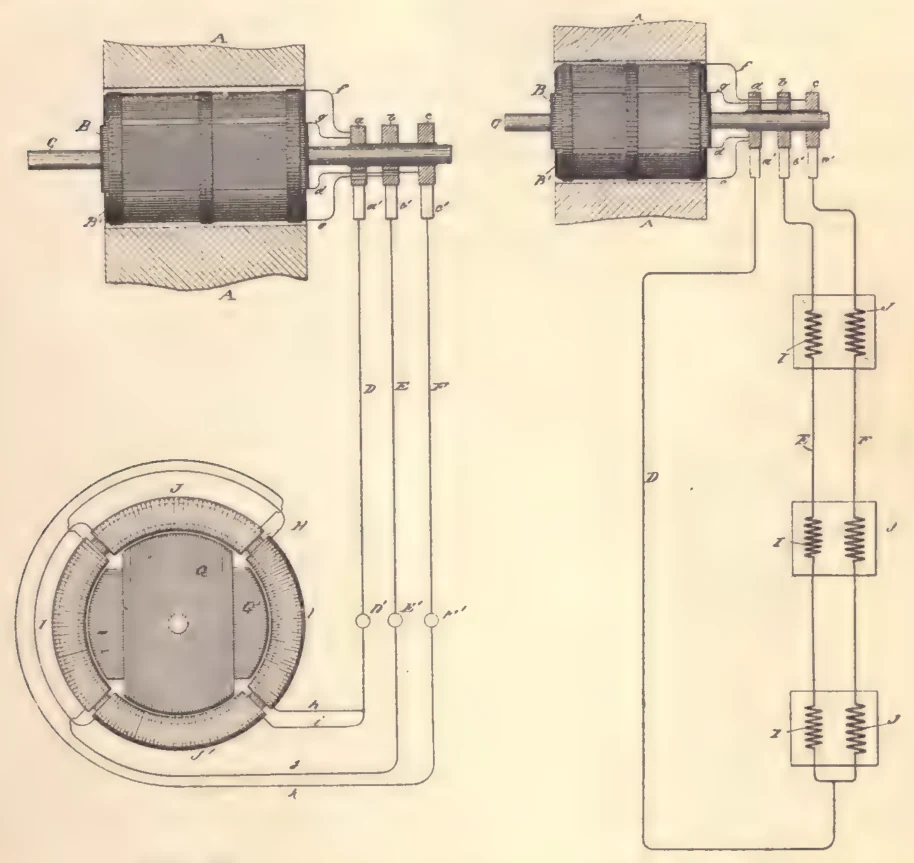
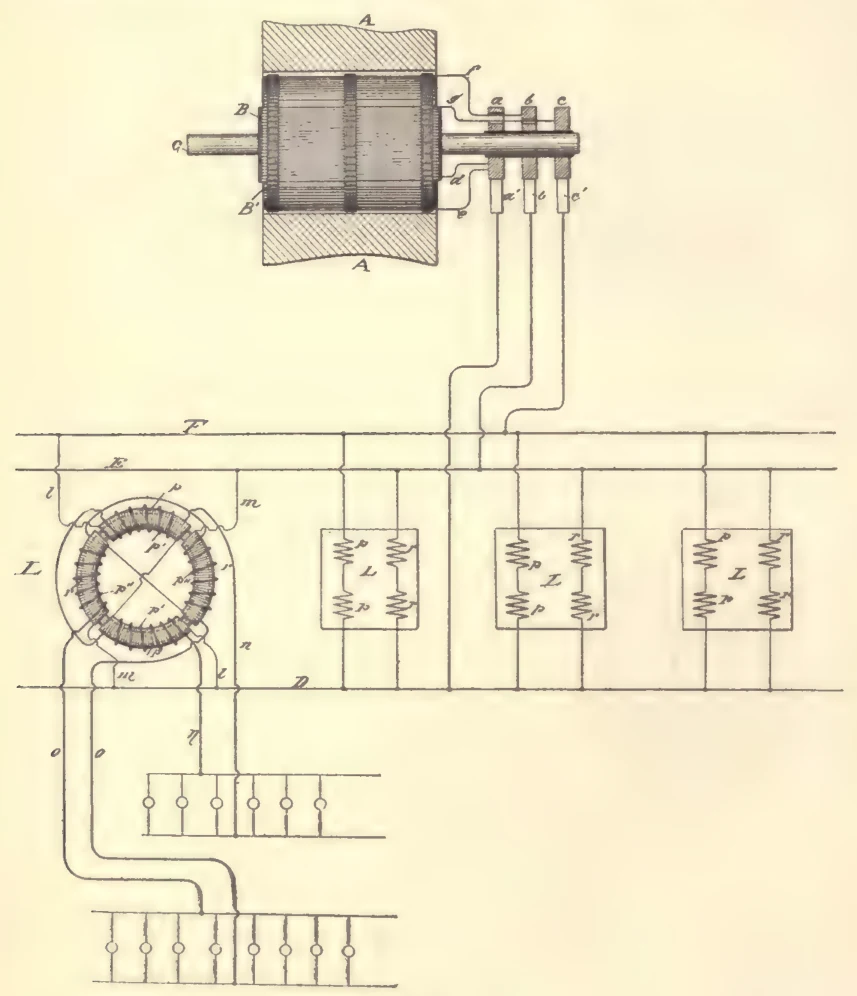
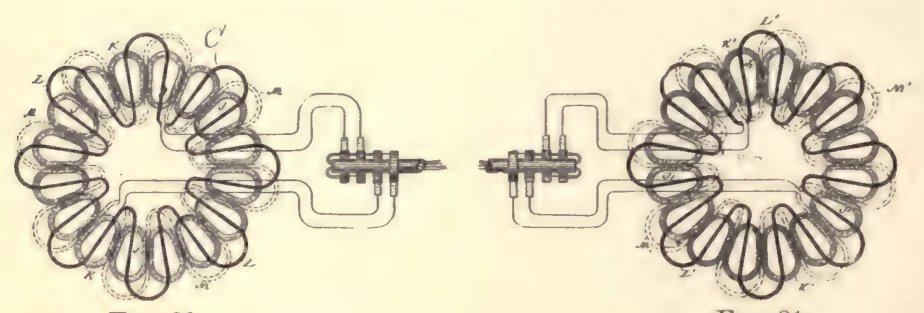
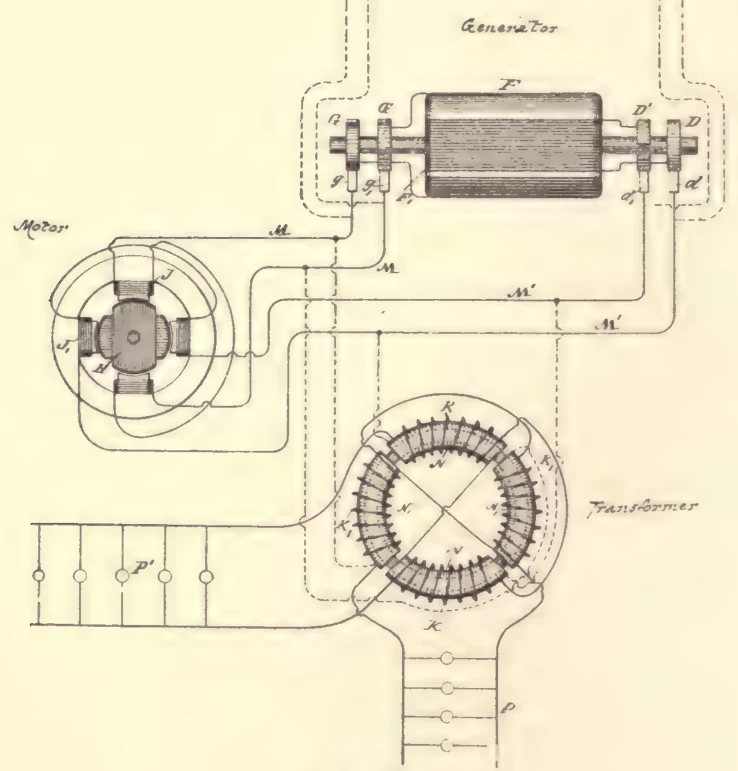
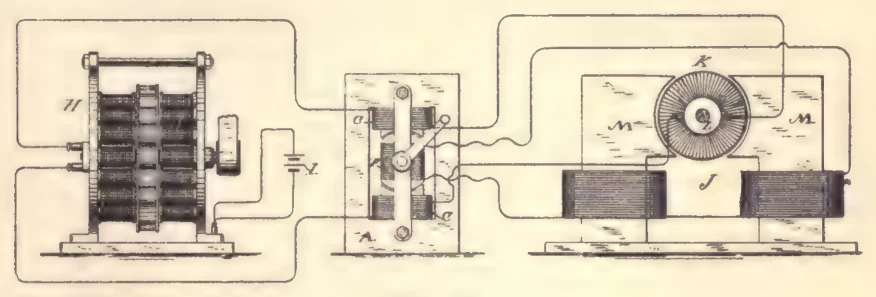
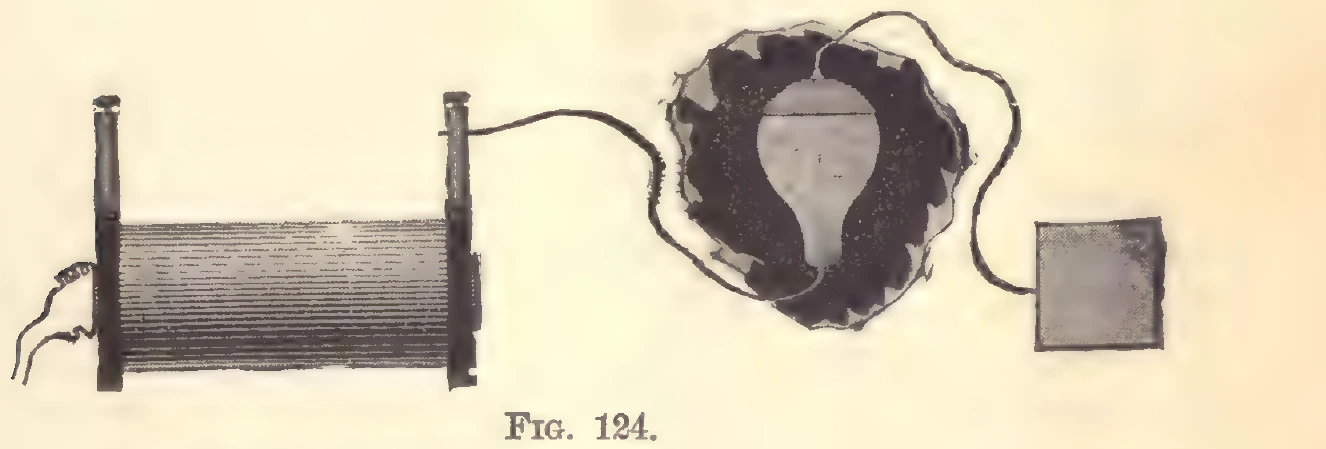
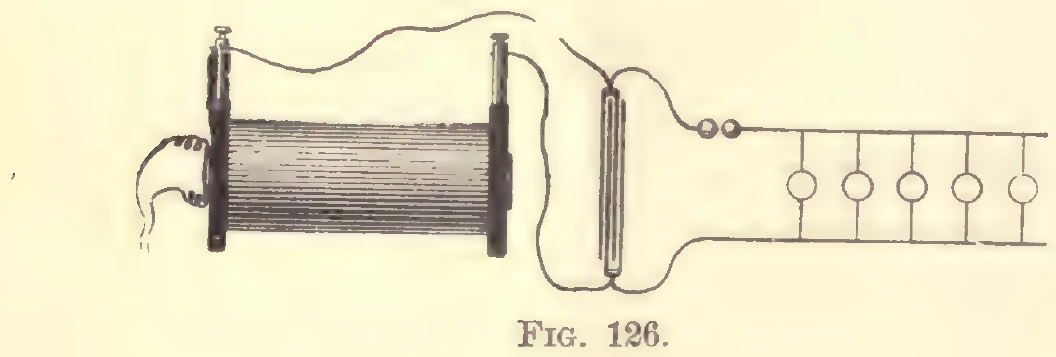
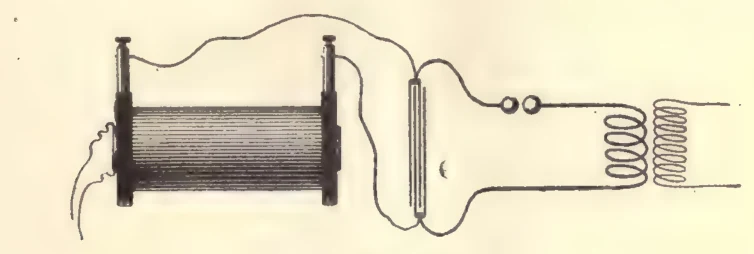
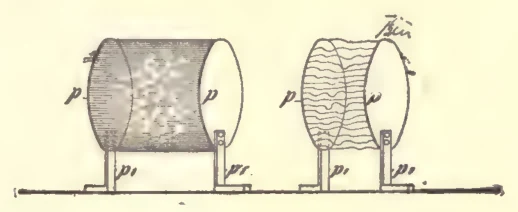
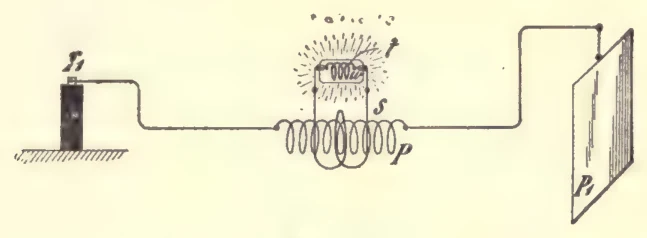
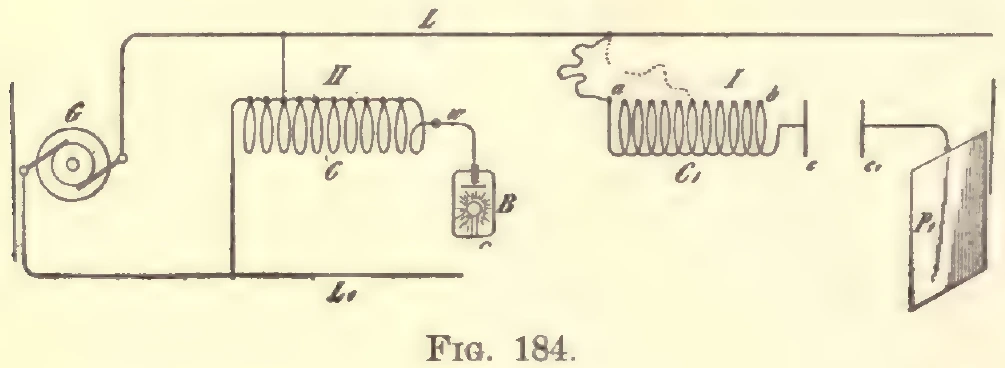
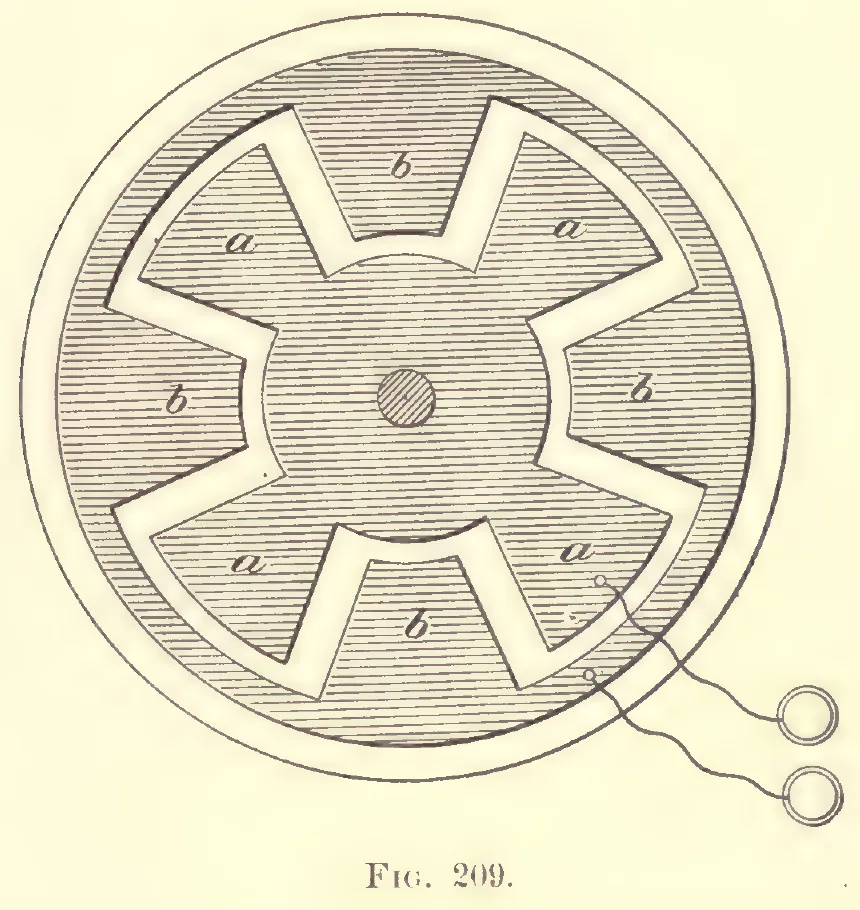
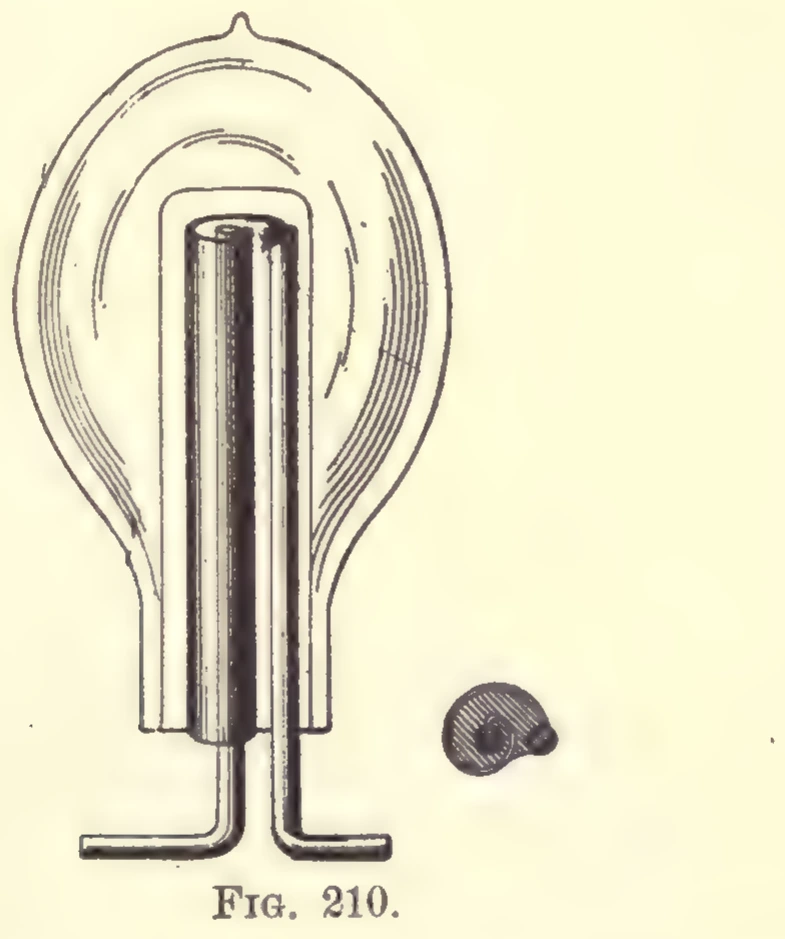
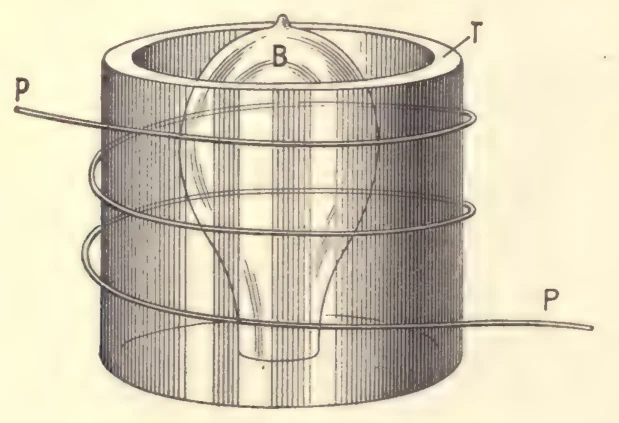
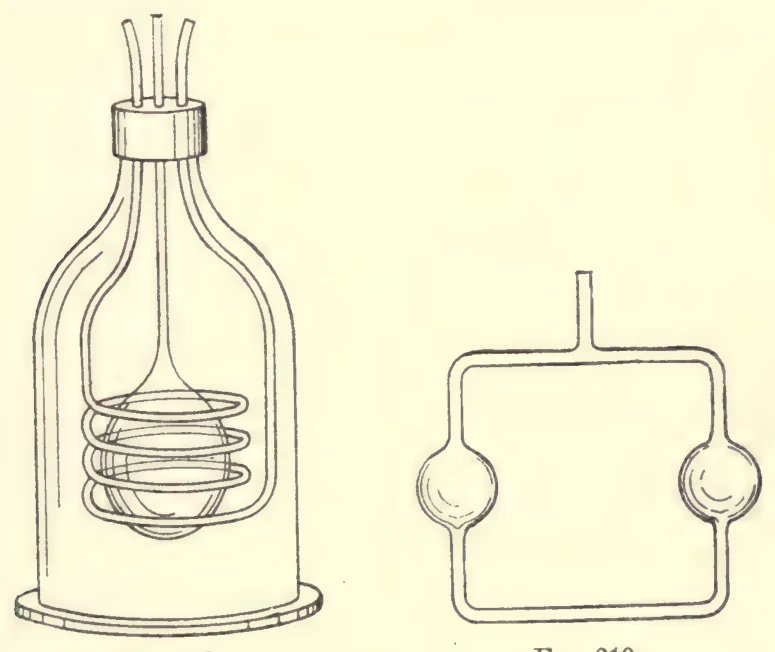
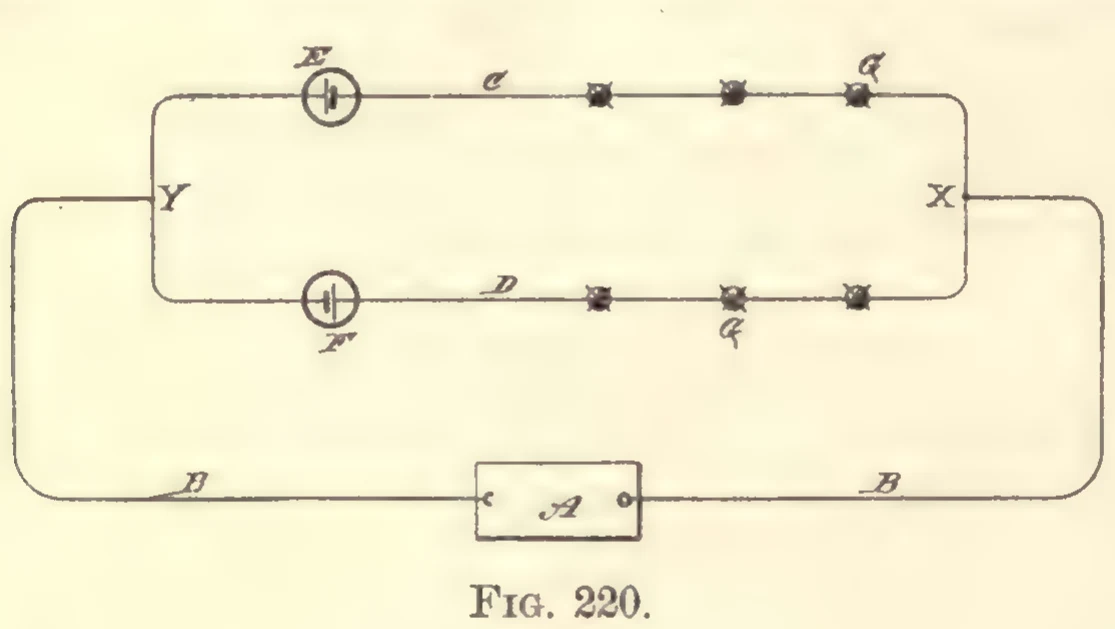
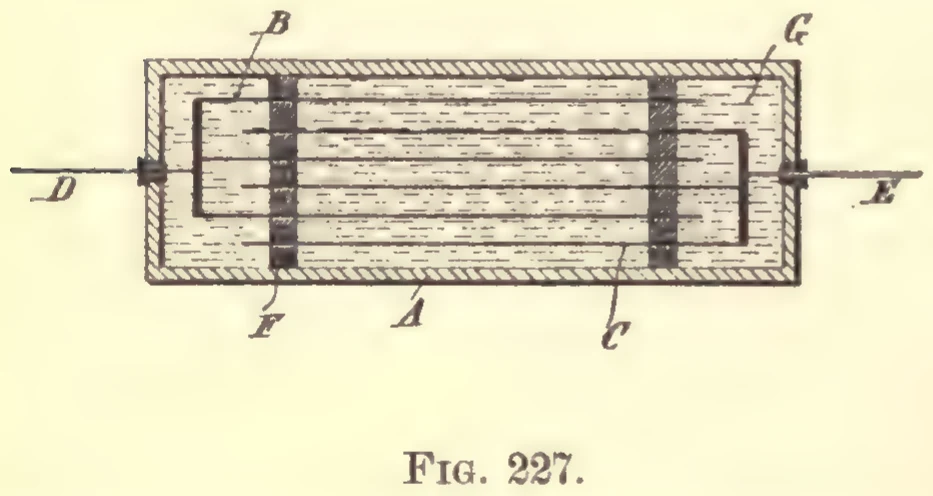
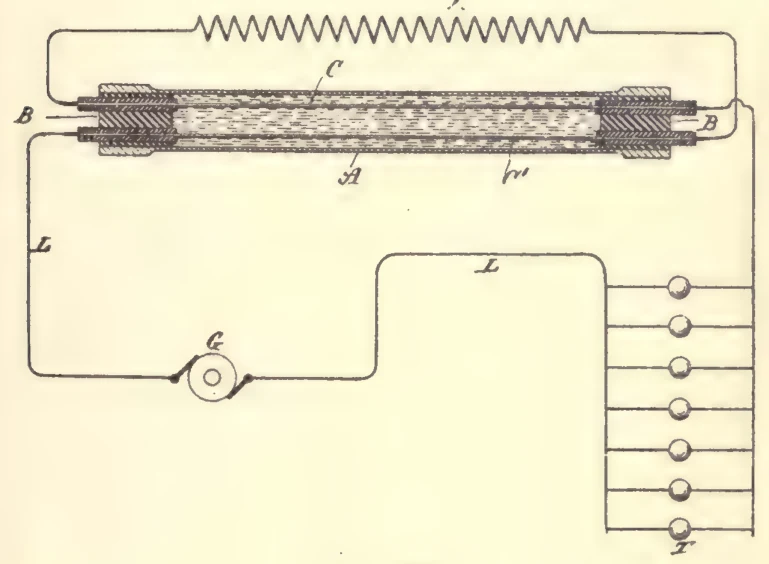
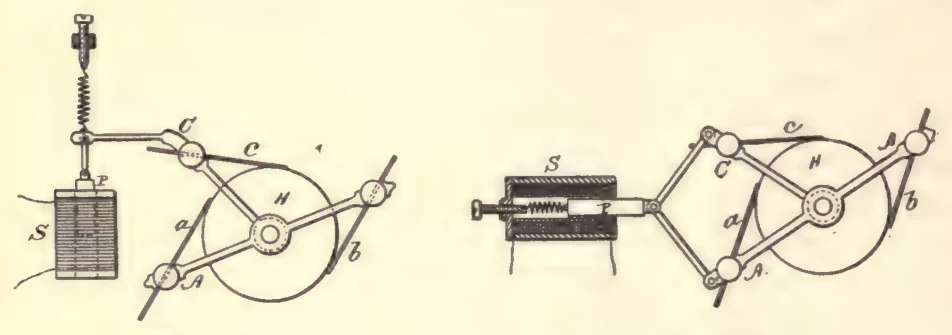
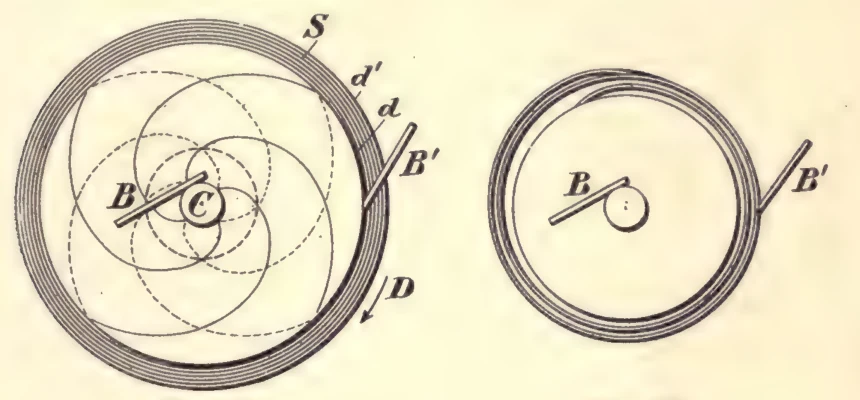
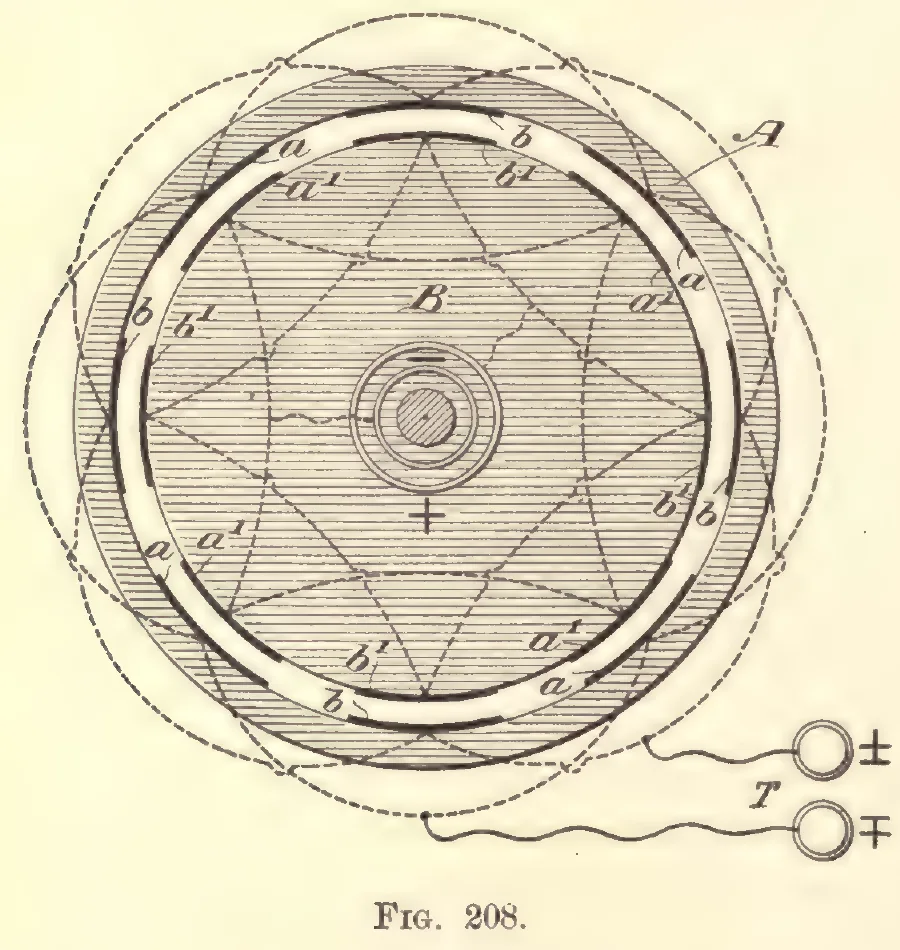
Chapter XXX does the same thing about the two plates that open it. Tesla writes that he "devised various forms" of apparatus "of which two are illustrated in the accompanying engravings" (1894, p. 392), and then, one printed page later, names the second one: "Another form of apparatus is illustrated in Fig. 209" (1894, p. 393). The footnote on that first page says where the chapter came from: "Article by Mr. Tesla in The Electrical Engineer, N. Y., May 6, 1891" (1894, p. 392). That is also why the plates do not look like one set. They came in with the articles they were drawn for, from several magazines and several years, and the volume reprinted them.
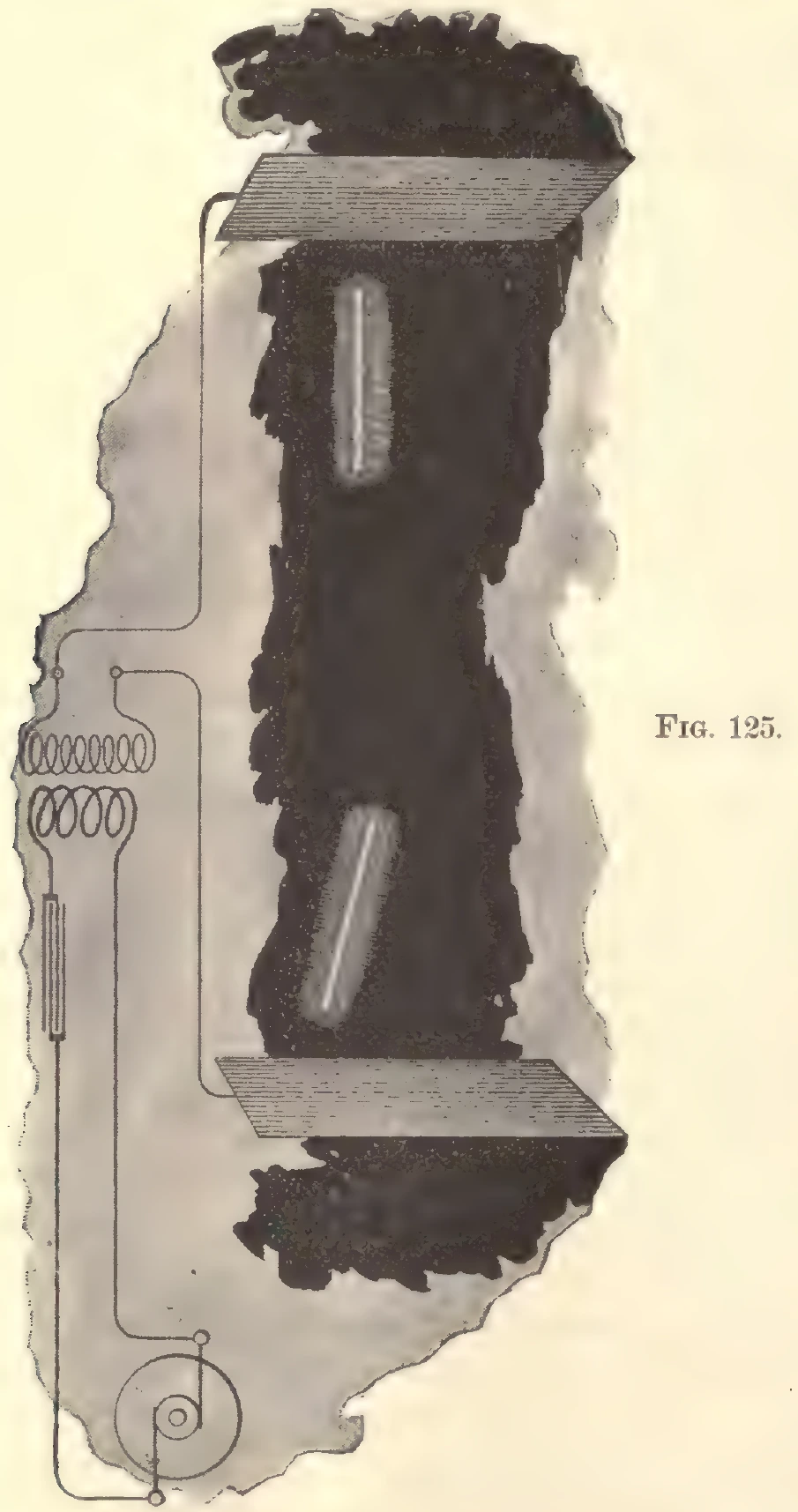
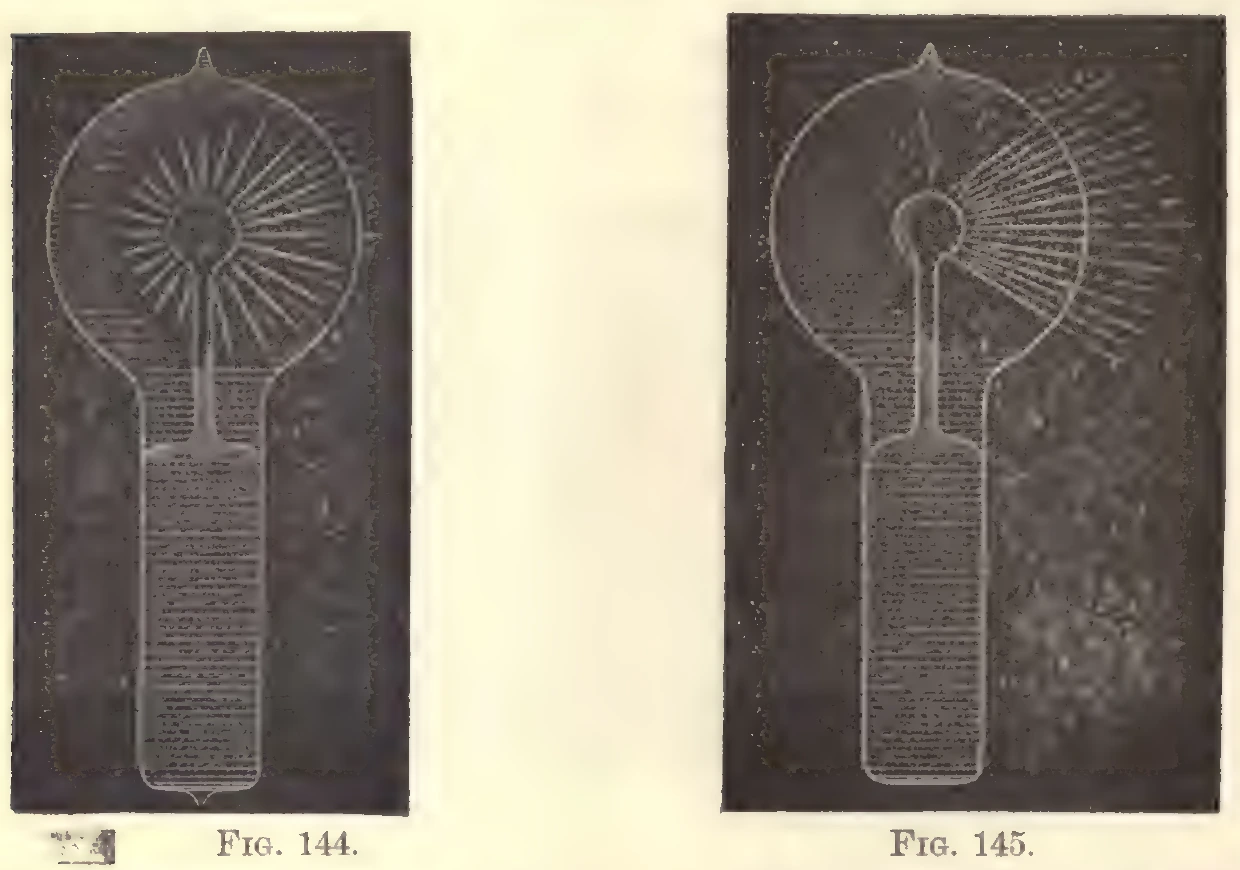
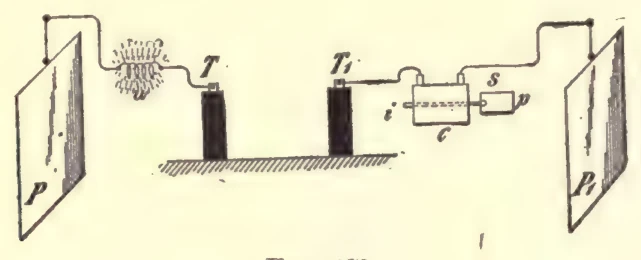
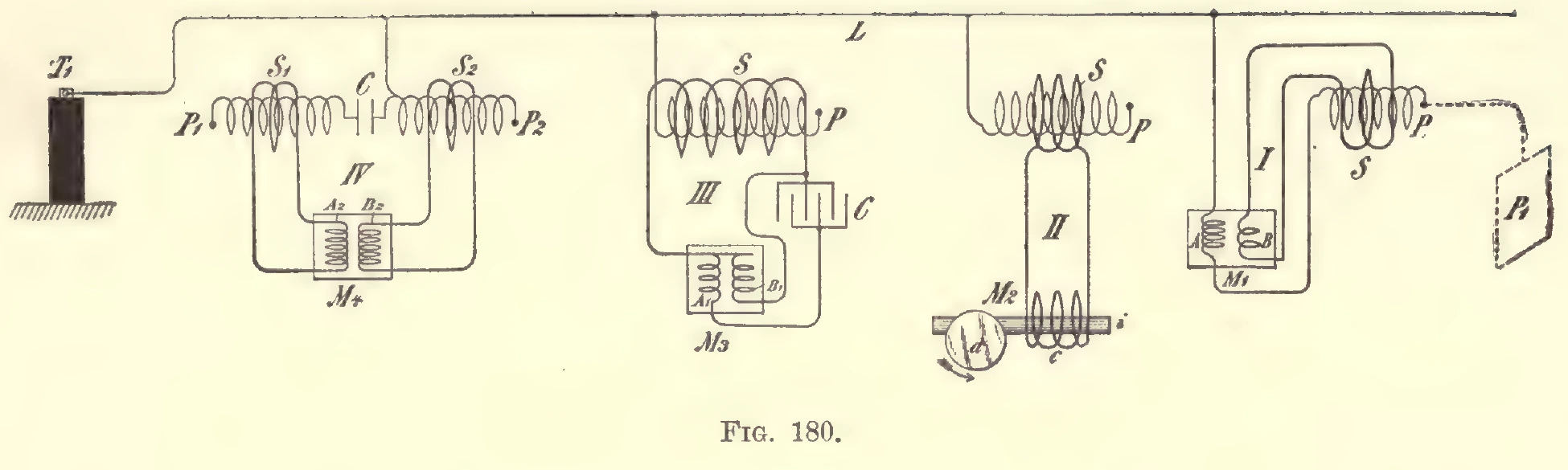
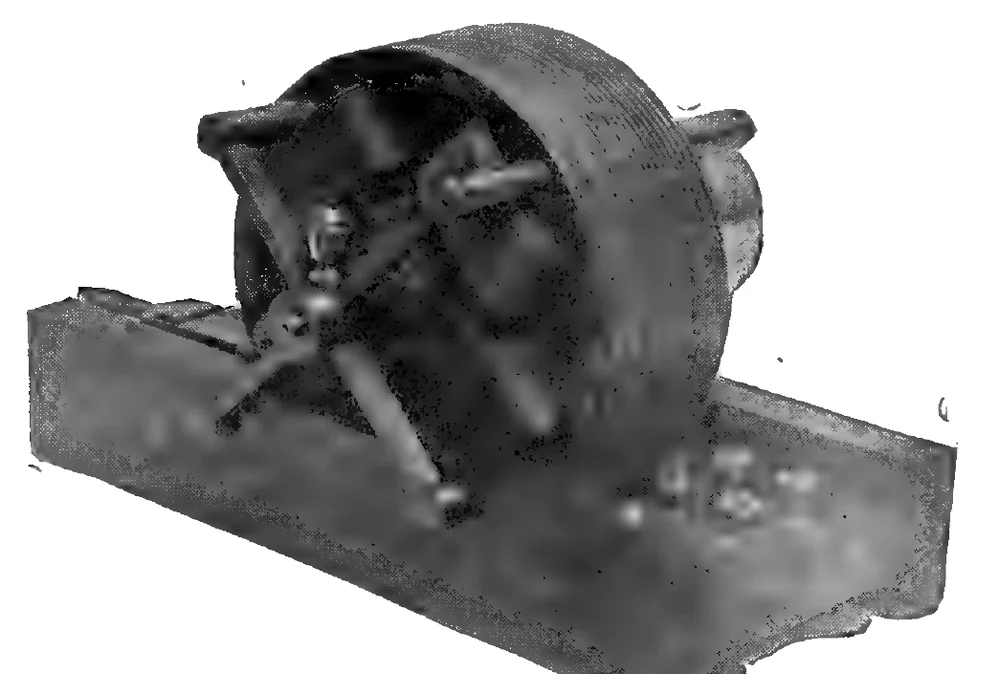
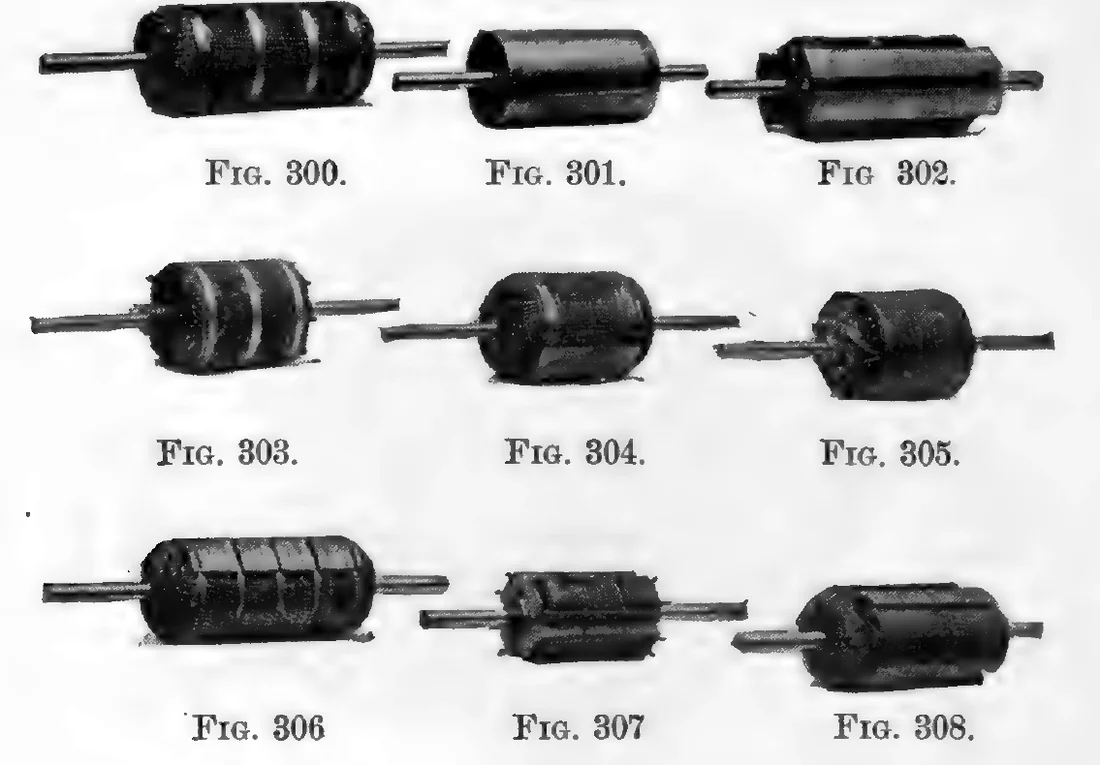
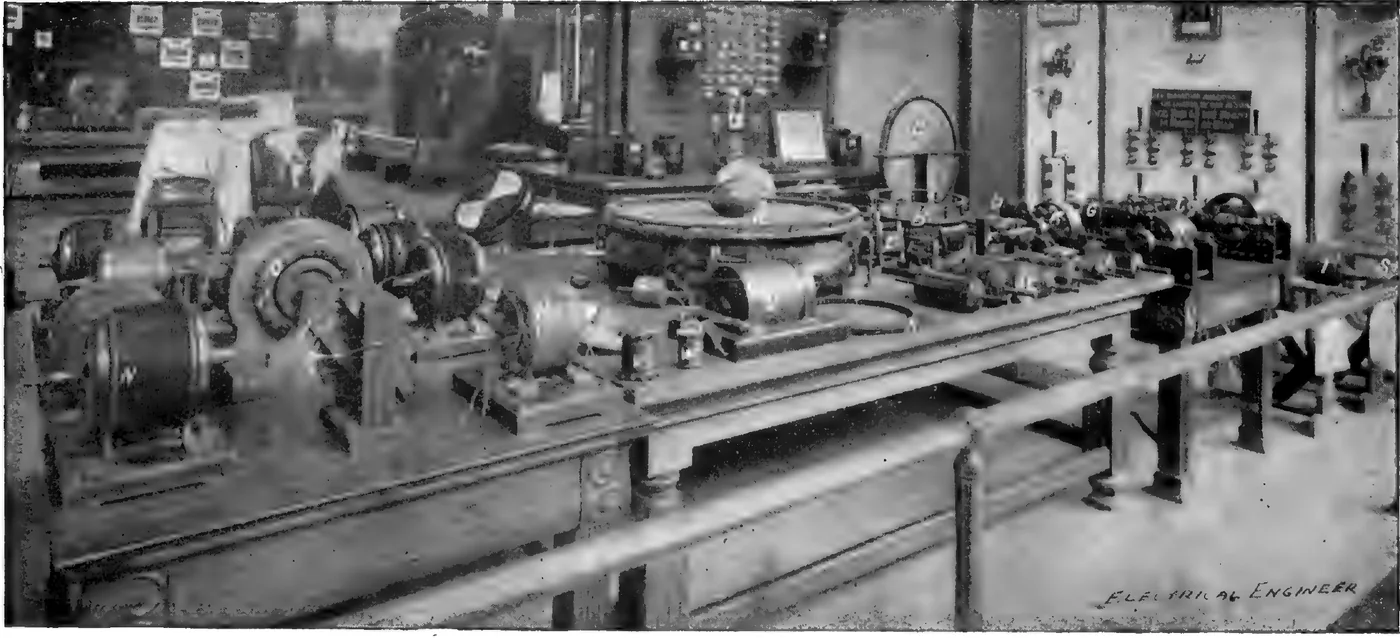
The volume is also the source for the plainest caution about using these plates as evidence. The Appendix chapter that reprints the World's Fair exhibit says of the models on its own table: "All these models shown represent early work, and the enlarged engravings are made from photographs taken early in 1888" (1894, p. 483). It then says the plate fails some of them: "There is a great number of other models which were exhibited, but which are not brought out sharply in the engraving, Fig. 297" (1894, p. 483). A plate is a plate. The book says so, on the page that discusses the very engraving reproduced below, and a caption that promises more than the print gives is not a citation, it is a claim.
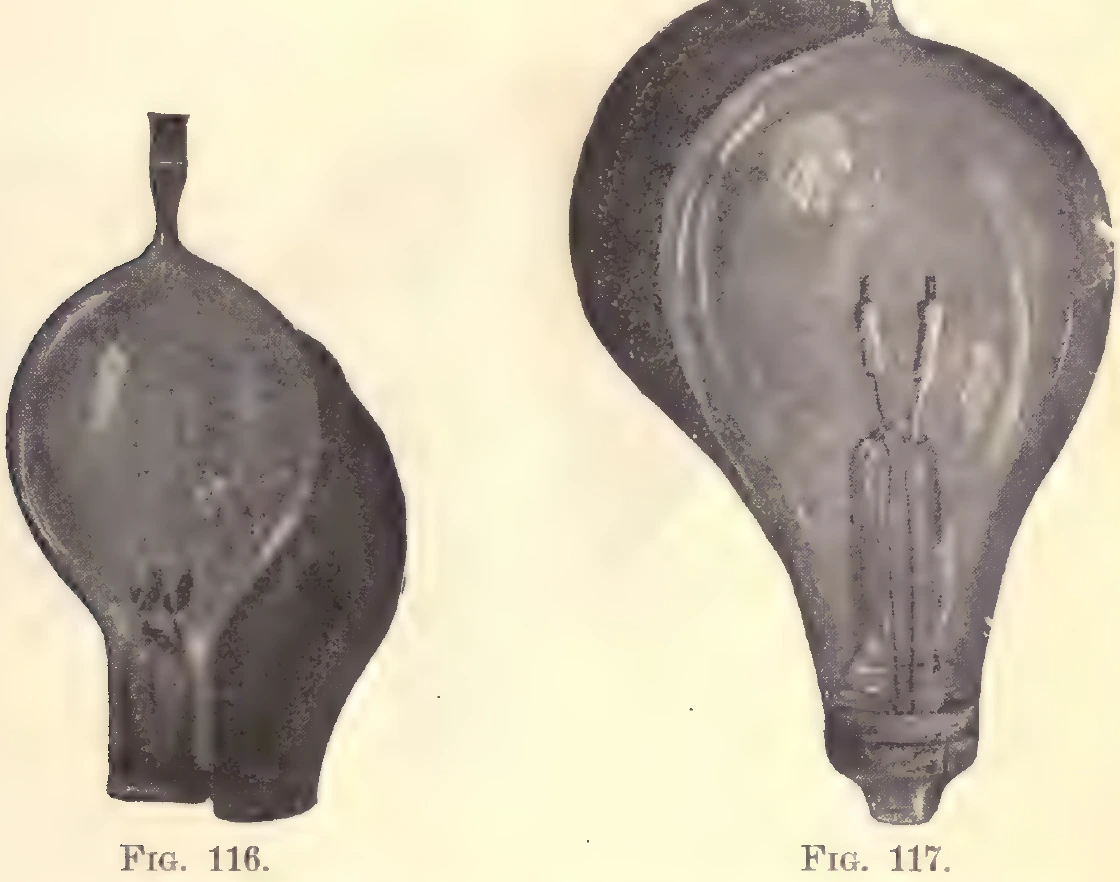
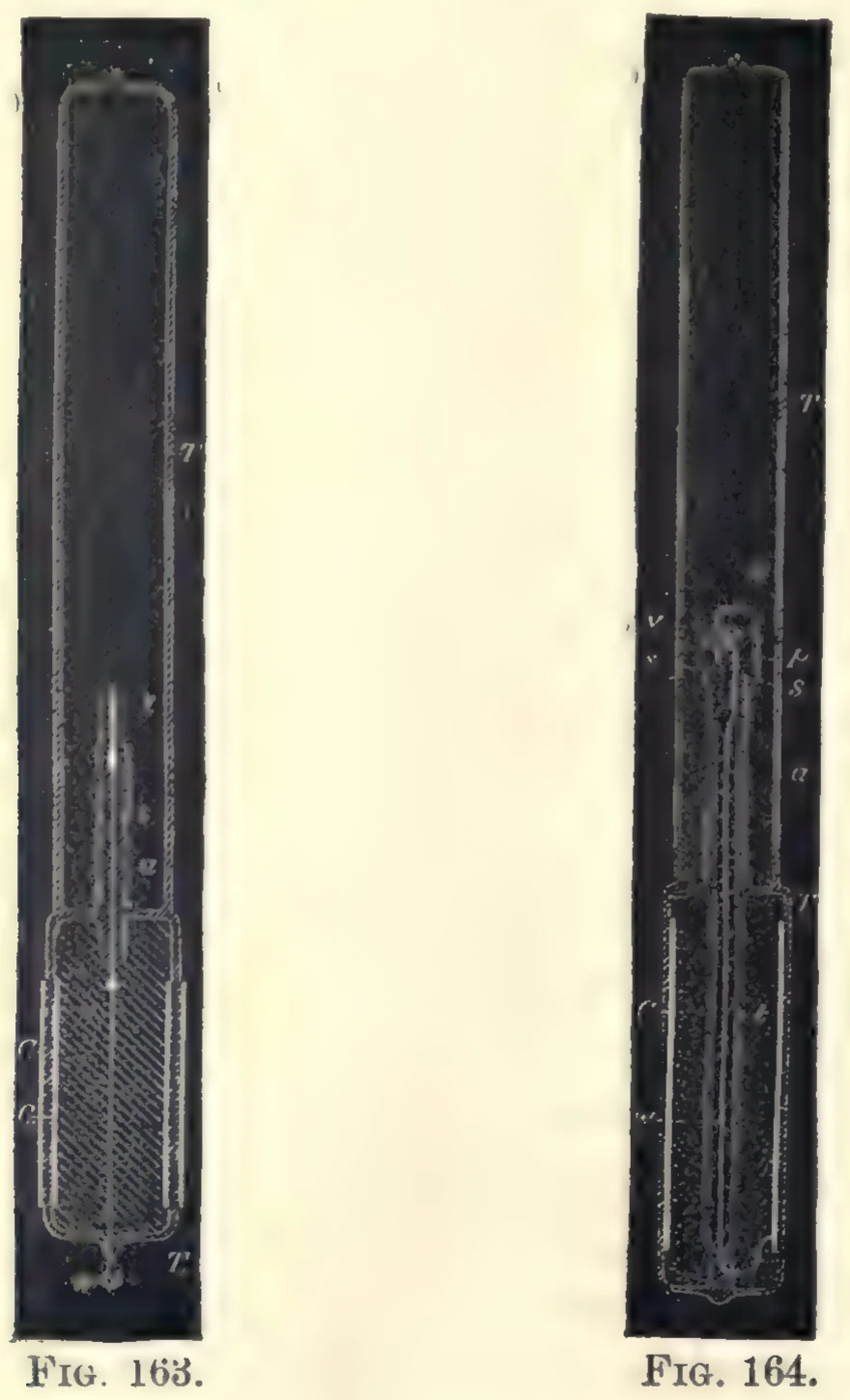
The extractor that cut our crops named each one for the figure string nearest the crop in the scan's text layer, and a page that mentions figures in its body paragraphs confuses that. Printed p. 14 is the clearest case: the plate the extractor cut from that scan page is captioned FIG. 7. and FIG. 7a. by the book, while the same page's text layer contains a body sentence that mentions Fig. 9, and the file came out called fig9. A caption read from the strip of print under the plate gets it right; a caption read from the file name does not.
How These 72 Were Chosen
The plates were catalogued before they were chosen. The file called manifest_qc.csv, in the website/assets/tesla1894/ folder of this site, holds 223 crops, each with a verdict, a subject line written while looking at the crop, an A/B/C quality grade, and a note of whether the aspect and the printed figure number had been checked. This page reads that file and applies five rules, and the rules are printed here because they are what makes the page citable rather than merely pretty.
- The row must be a keeper and the plate must be A or B quality. C-grade crops are
out: they are the ones the QC pass found badly scanned, badly cropped or badly exposed.
- The printed figure number must be settled. A row that flags its own number as
mis-read, contradicted or unsettled cannot carry a number in a caption, so it carries no plate here.
- The file must be one of the book's own figures. Page-scan crops and downloaded
patent sheets live in the same folder and are not book engravings, so they are out.
- One plate per printed figure. Where an automatic crop and a later hand crop cover
the same printed figure, the hand crop wins, because it was cut after the page was opened at 400 to 500 ppi and its notes name the scan it was read from.
- A per-chapter cap. Without it the gallery would be chapter III, which is dense
with diagrams, and the rest of the volume would be a footnote.
Then the captions. For each surviving plate the tool re-derives the ink band the extractor cut, at the same 300 ppi and in the same order, and reads the text lines in the strip of print between that band and the next figure on the page. A line counts as a caption only if it is nothing but a caption: a body sentence that happens to begin with a figure word is not one. The book sets its captions in small caps and the scan's text layer mangles them, so the line the print sets as FIG. 1. arrives as Fie. l., and the line the print sets as FIGS. 45, 46 and 47. arrives as Fms. 45, 46 and 47.; the reader normalizes only the letter-for-digit confusions this scan actually makes, and the selection record keeps each line exactly as the layer gave it, so every normalization can be checked against the print it came from. Where the strip under a plate holds no caption line at all, the plate is left out rather than guessed at.
What that produced, stated as counts so it can be re-run and argued with: of the 223 catalogued crops, 4 are not book figures at all, 129 fail the rules above (72 because their printed figure number was never read correctly, 29 because they are C-grade, 15 because no caption line sits under them, 7 because their own QC note leaves the number unsettled, 5 because the QC pass marked them keep-tight or drop, 1 because the caption line is there with its number unreadable), 90 pass, 5 of those are second crops of a figure already in the pool, and the 85 unique printed figures are capped to the 72 on this page. They cover 30 chapters across all four parts of the volume: 24 in Part I, 23 in Part II, 21 in Part III, 4 in the Appendix. 66 are graded A and 6 are graded B. 19 are hand crops cut against the print at 400 to 500 ppi. 17 carry a figure number different from the one their file name claims, because the caption under the plate said something else. 21 captions name more than one figure, because the extractor's band runs across two or three figures the page captions separately, and a caption that quietly drops the other two is not describing the plate it is under.
The full record, plate by plate and rejection by rejection, is new_content/1894-series/plates/selection.json, and books/tools/plates_gallery.py writes it. Re-run the command and you get this page or you do not, which is the whole point of writing it down.